
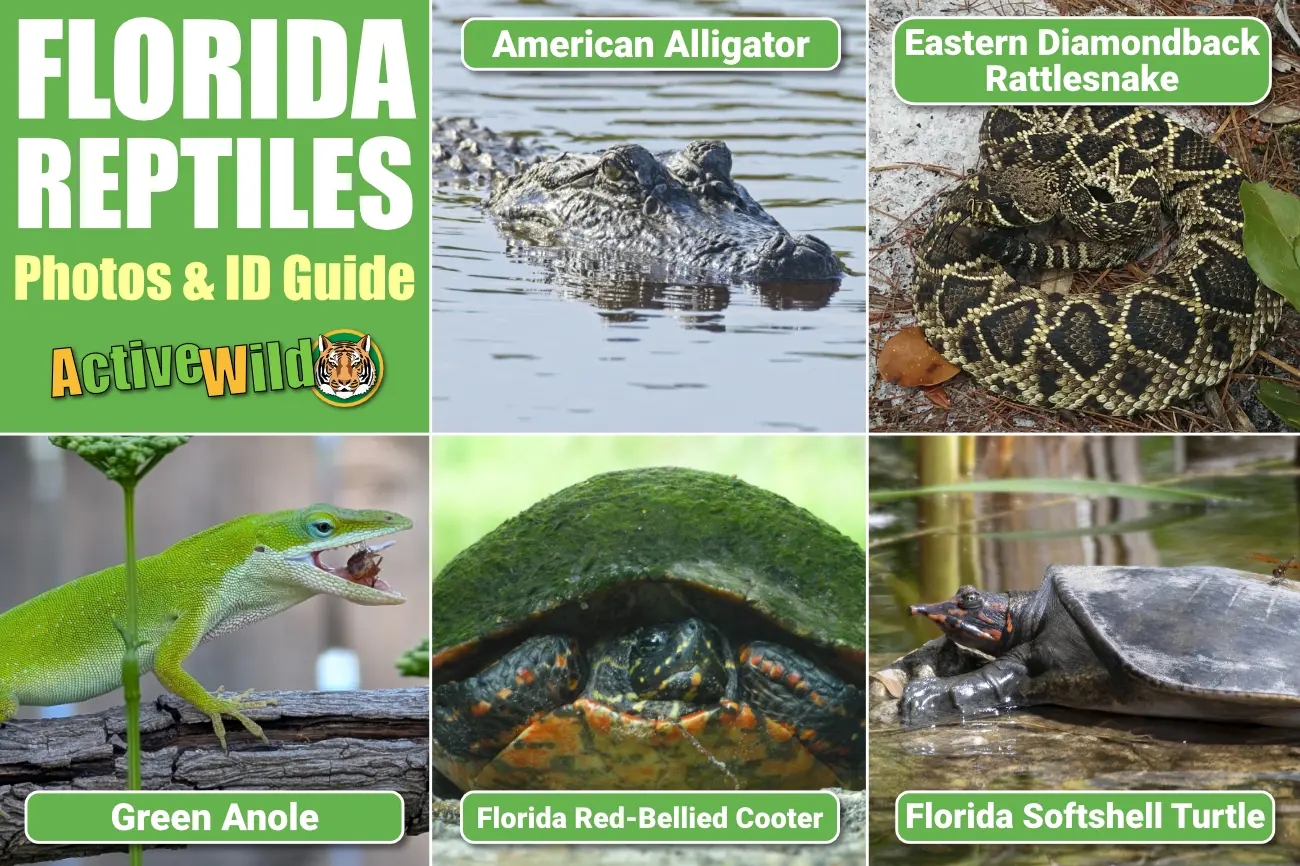
Florida reptiles list with pictures and facts – a complete ID guide to well-known reptiles of Florida.
Introduction
Florida’s varied landscapes provide habitat for a rich variety of reptiles, ranging from large alligators to small lizards and turtles.
On this page, you’ll meet some of the Sunshine State’s especially characteristic, iconic, or regionally notable reptile species (and subspecies). Among the featured reptiles are the American Alligator, Eastern Diamondback Rattlesnake, and Loggerhead Sea Turtle, as well as several notable but lesser-known species.
Have you seen any of these reptile species in Florida? Share your own observations, thoughts and questions in the comments section at the bottom of the page – we’d love to hear from you!
The Active Wild Team
Page Index
American Alligator
- Scientific name: Alligator mississippiensis
- Family: Alligatoridae
- Rank: species
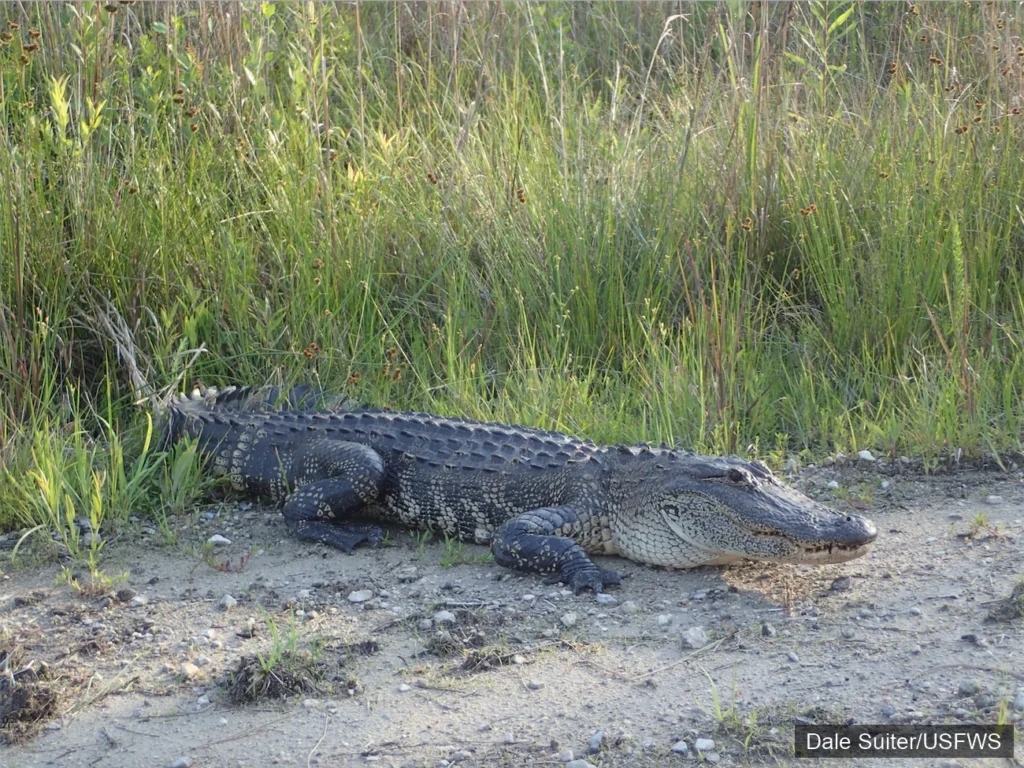
The American alligator is easily recognized by its broad, rounded snout and dark, armored skin covered with bony plates called osteoderms. Adults typically measure between 10 to 15 feet in length, with males larger than females. Their powerful tails and muscular bodies aid in swimming and movement through water.
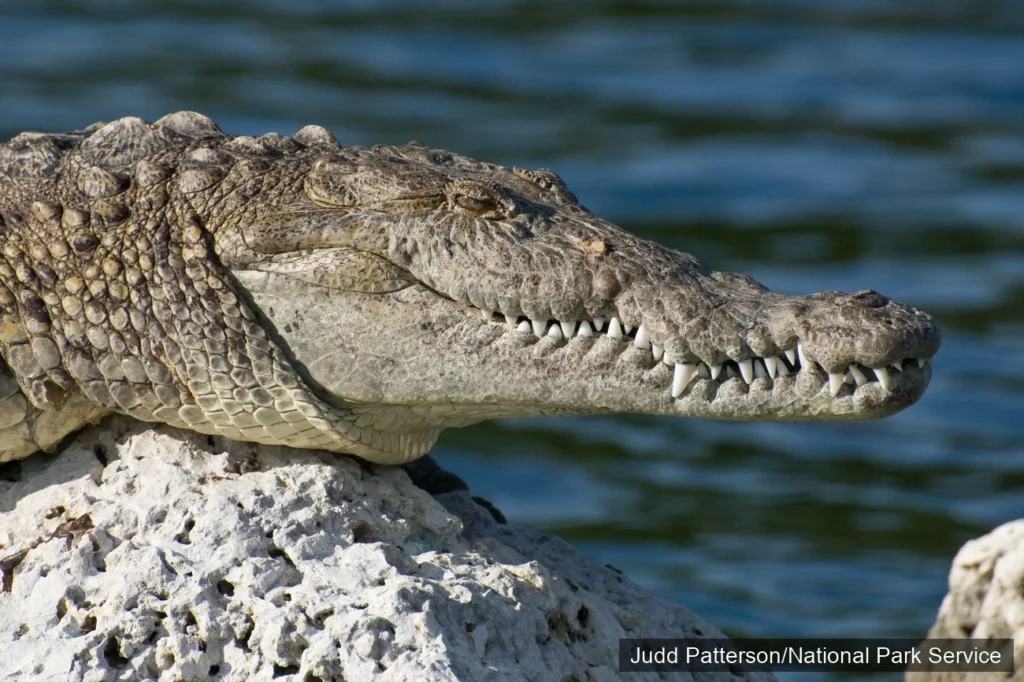
The upper teeth are visible when the mouth is closed, unlike crocodiles where both upper and lower teeth show. In Florida, this large reptile inhabits freshwater environments such as swamps, marshes, rivers, and lakes. It is commonly seen basking on riverbanks or floating just beneath the water surface.
The American alligator plays a key role in maintaining healthy wetland ecosystems by controlling prey populations and creating water holes used by other wildlife. Its presence is a defining feature of Florida’s diverse reptile fauna.
Florida is unusual because it is home to both alligators and crocodiles. The American crocodile (see below) is also present in southern Florida.
American Crocodile
- Scientific name: Crocodylus acutus
- Family: Crocodylidae
- Rank: species
The American crocodile is a large reptile native to the Americas and the only crocodile species found in the United States, where it occurs exclusively in southern Florida. Its preferred habitats include coastal mangroves, estuaries, and brackish waterways. Key strongholds for the species include Everglades National Park and Biscayne National Park.
Unlike alligators, American crocodiles tolerate saltwater well and are often seen near bays and shorelines. Once endangered due to hunting and habitat loss, the species has recovered significantly through conservation efforts and is now considered a conservation success story in Florida.
Brown Anole
- Scientific name: Anolis sagrei
- Family: Dactyloidae
- Rank: species
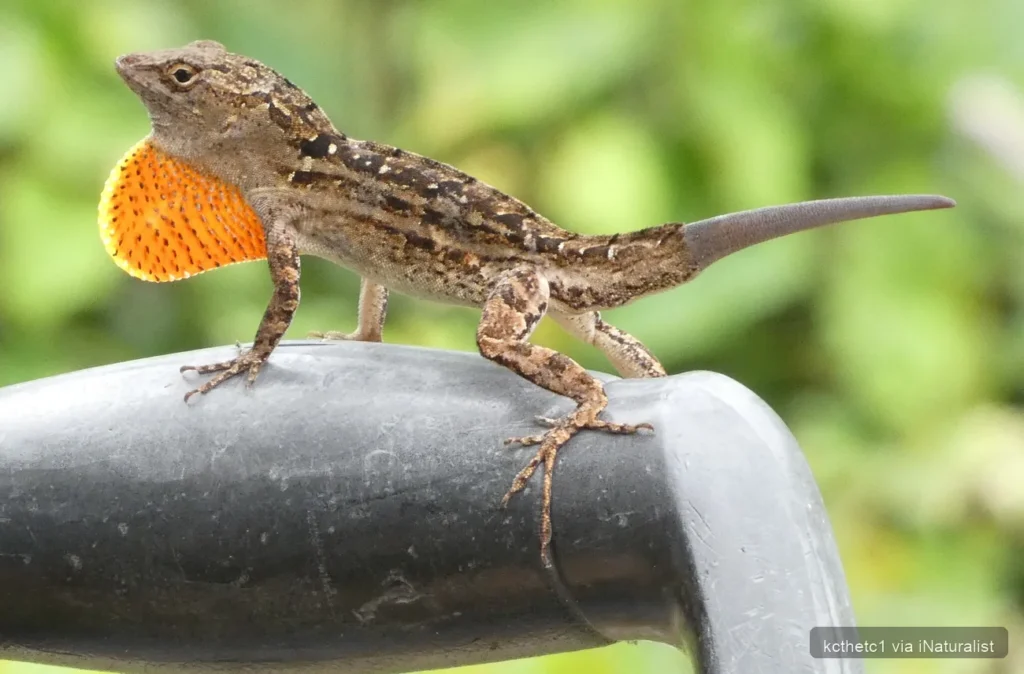
The brown anole is a small, slender lizard typically measuring 5 to 8 inches in total length, including the tail. It has a pointed head and a long, slender body covered with rough scales. Its coloration is generally brown or grayish-brown with darker markings, which help it blend into tree bark or leaf litter. Males often exhibit a vibrant orange to red dewlap (throat fan) used for territorial displays, while females usually have less pronounced coloration.
Commonly found in urban and suburban areas, this reptile species thrives in a variety of habitats such as gardens, parks, and wooded areas across Florida. It is often seen climbing on trees, shrubs, or walls.
The brown anole is notable in Florida for being an invasive species that has successfully expanded throughout the state, often outcompeting native lizards like the related green anole. Its adaptability and abundance make it a frequent sight in the region’s reptile community.
Eastern Diamondback Rattlesnake
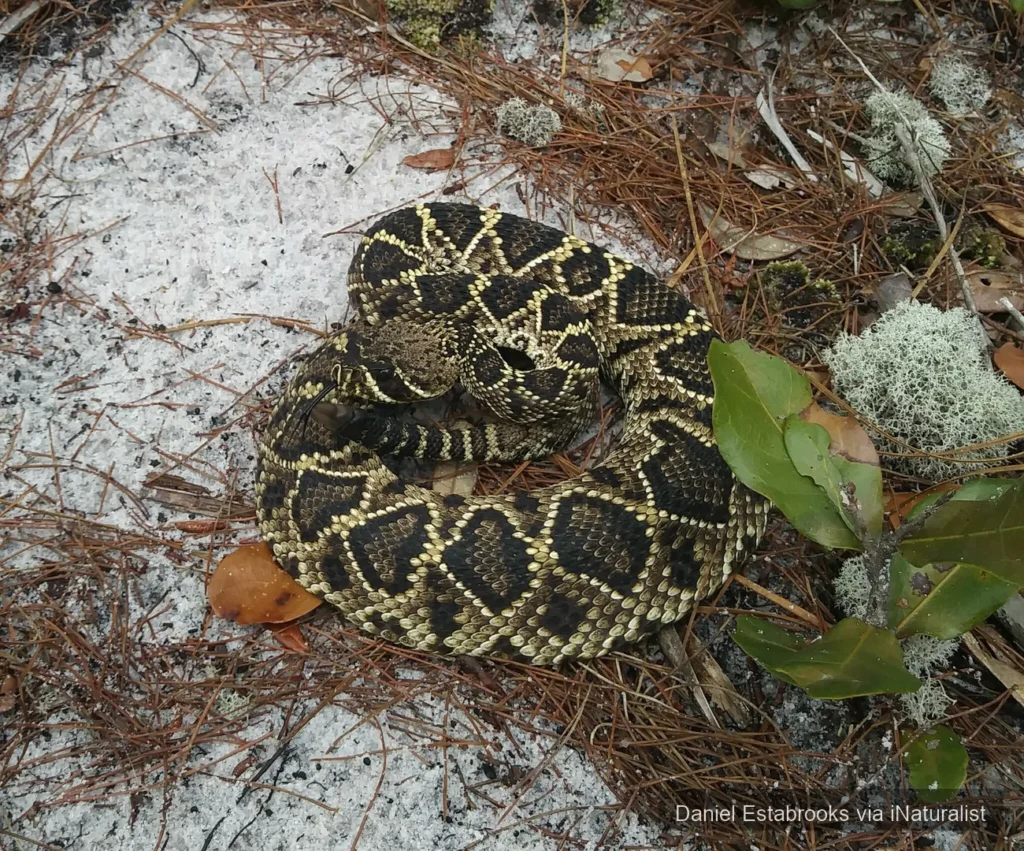
- Scientific name: Crotalus adamanteus
- Family: Viperidae
- Rank: species
The Eastern Diamondback Rattlesnake has a distinctive pattern of dark brown diamond shapes outlined in pale yellow or cream running along its back. Its body is thick and stout, with a broad, triangular head and a rattle at the end of a short tail. The snake’s coloration helps it blend into dry pine forests, sandy woodlands, and coastal scrub habitats.
Adults can reach lengths of 4 to 6 feet, making it the largest rattlesnake species in North America. Males and females look similar, though males tend to be slightly larger.
In Florida, this rattlesnake is most often encountered in rural or natural areas with dense underbrush or leaf litter. It is notable regionally for being a top predator in its ecosystem and the largest venomous snake in the state.
Eastern Indigo Snake

- Scientific name: Drymarchon couperi
- Family: Colubridae
- Rank: species
In Florida, the Eastern Indigo Snake is found in dry pine flatwoods, hardwood forests, sandhills, and scrub habitats. It often uses gopher tortoise burrows for shelter and can sometimes be seen crossing roads in these natural areas.
This species is the longest native snake in the United States, commonly reaching lengths of 5 to 7 feet. Its glossy, iridescent black scales with subtle blue or green highlights are distinctive. The head is broad and slightly flattened, with a reddish-orange or cream-colored chin and throat, which helps separate it from other large black snakes. Both males and females look similar, though males tend to be larger.
The Eastern Indigo Snake is a key predator that helps control populations of venomous snakes.
Florida Brown Snake
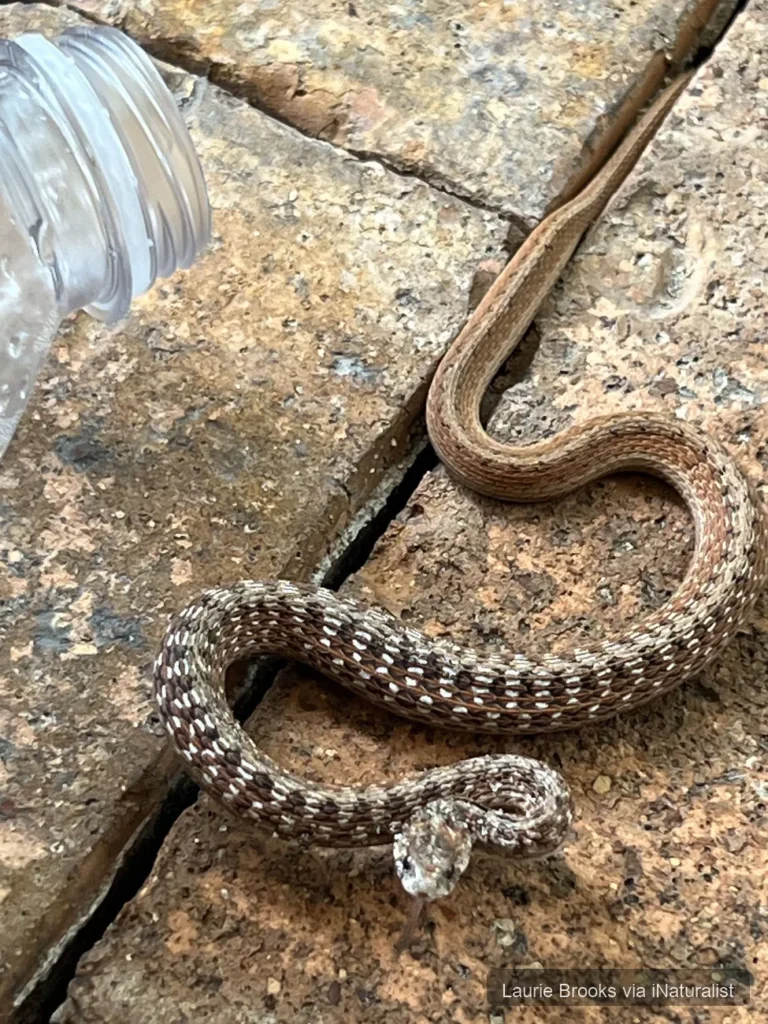
- Scientific name: Storeria dekayi victa
- Family: Colubridae
- Rank: species
The Florida Brown Snake is a small, slender snake typically measuring 7 to 15 inches in length. It has smooth brown or grayish scales with a lighter belly, and a distinct dark stripe runs from the eye to the corner of the mouth. Its head is slightly wider than the neck but not distinctively broad. This species often has a series of small dark spots or flecks along its back, aiding identification.
This snake is commonly found in moist, urban, and suburban environments, often under leaf litter, logs, or debris. It prefers gardens, parks, and wooded areas where it feeds on earthworms and small invertebrates.
The Florida Brown Snake is notable regionally as one of the most frequently encountered non-venomous snakes in Florida, recognized by its small size, smooth scales, and characteristic head stripe. Males and females look alike.
Florida Cottonmouth
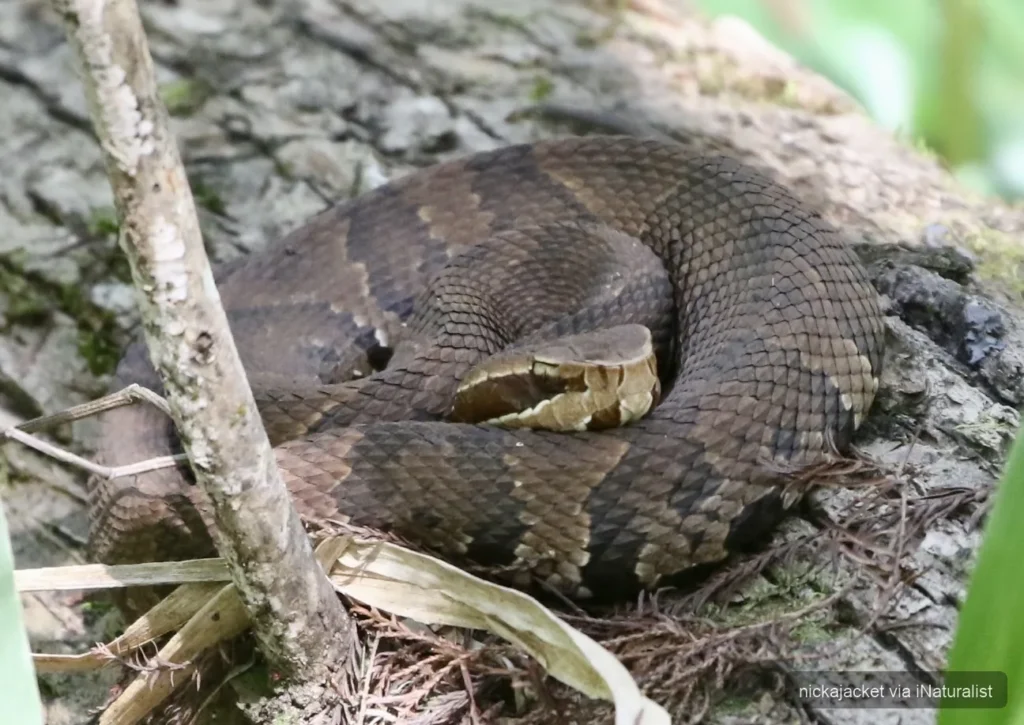
- Scientific name: Agkistrodon piscivorus conanti
- Family: Viperidae
- Rank: species
The Florida Cottonmouth is a stout, heavy-bodied snake typically ranging from 24 to 48 inches in length. It has a broad, triangular head distinct from its thick neck and a relatively short, thick tail. Its scales are keeled, giving a rough texture, and its coloration varies from dark brown to olive, often with faint crossbands. A key identification feature is the white lining inside its mouth, which it displays when threatened.
This species inhabits wet environments such as swamps, marshes, and slow-moving streams throughout Florida. It is often found near water and may be seen basking on logs or swimming.
The Florida Cottonmouth is regionally notable as one of the few venomous snakes in the state and plays an important role in controlling populations of amphibians and small mammals.
Florida Kingsnake
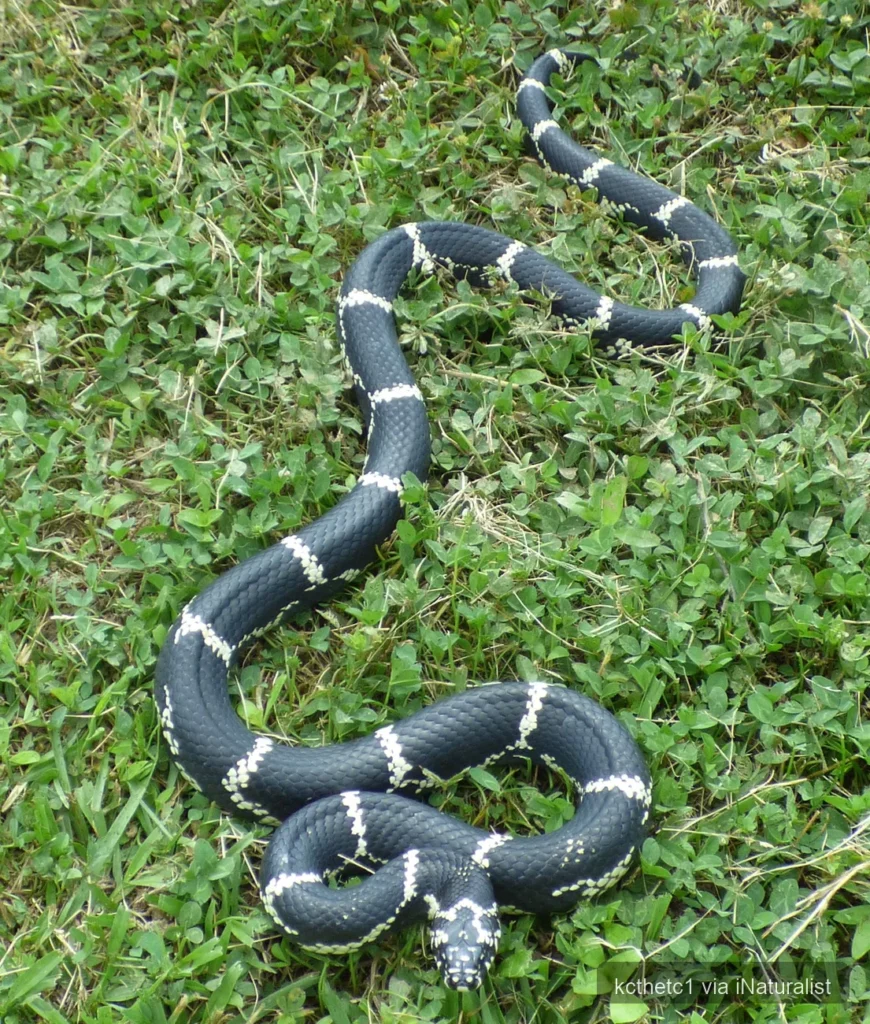
- Scientific name: Lampropeltis getula floridana
- Family: Colubridae
- Rank: species
The Florida Kingsnake has a distinctive black or dark brown body with bold white or yellow bands encircling its length. These bands are relatively wide and evenly spaced, creating a striking contrast. Its smooth scales give it a shiny appearance, and the head is slightly wider than the neck but not distinctly separate. Adults typically measure between 30 and 50 inches long, making them medium-sized snakes.
This nonvenomous species is found in a variety of habitats across Florida, including pine flatwoods, hardwood forests, and suburban areas. It is frequently encountered near water sources or inside debris and logs.
The Florida Kingsnake helps control populations of other snakes, including venomous species, by preying on them.
Florida Pine Snake
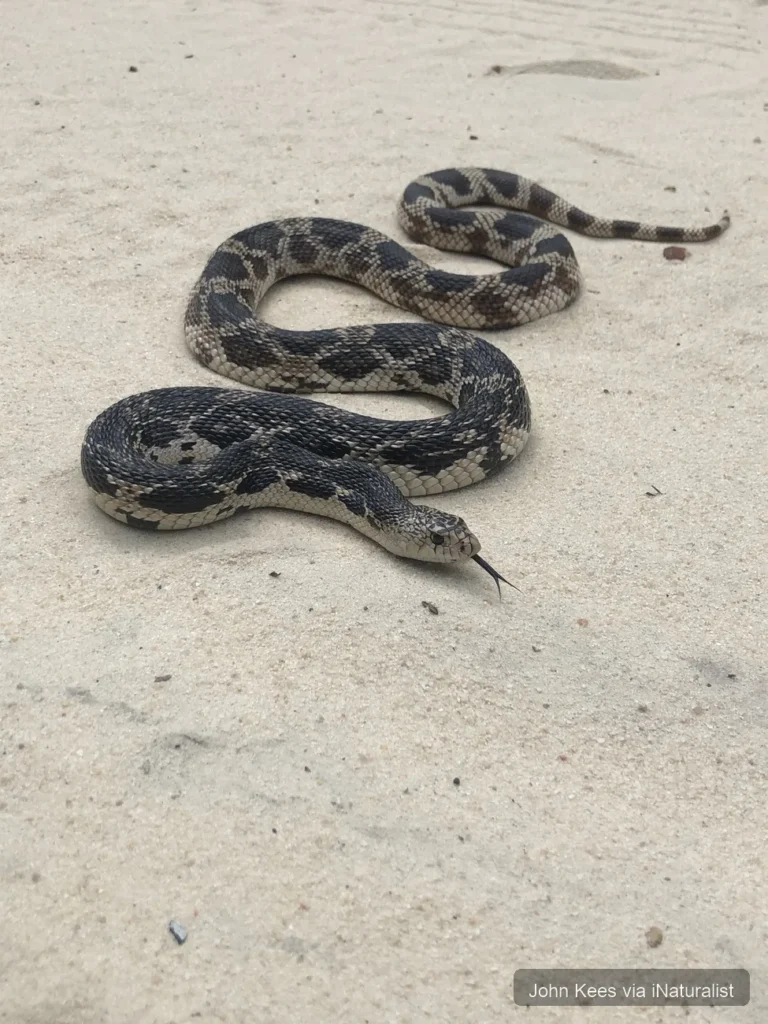
- Scientific name: Pituophis melanoleucus mugitus
- Family: Colubridae
- Rank: subspecies
The Florida Pine Snake is a large, nonvenomous snake commonly found in dry, sandy habitats such as pine flatwoods, scrublands, and open woodlands throughout Florida. It prefers loose, well-drained soils where it can easily burrow or use rodent burrows for shelter.
This species is most often seen above ground during warm months, especially near roads or open sandy areas. Adults typically reach lengths of 48 to 72 inches, with a slender body covered in light brown or tan scales marked by black or dark brown blotches and a patterned head. Its keeled scales give it a rough texture, and the snout is slightly pointed, aiding in digging.
The Florida Pine Snake is notable for being one of the largest snakes native to Florida and plays an important role in controlling small mammals.
Florida Red-Bellied Cooter
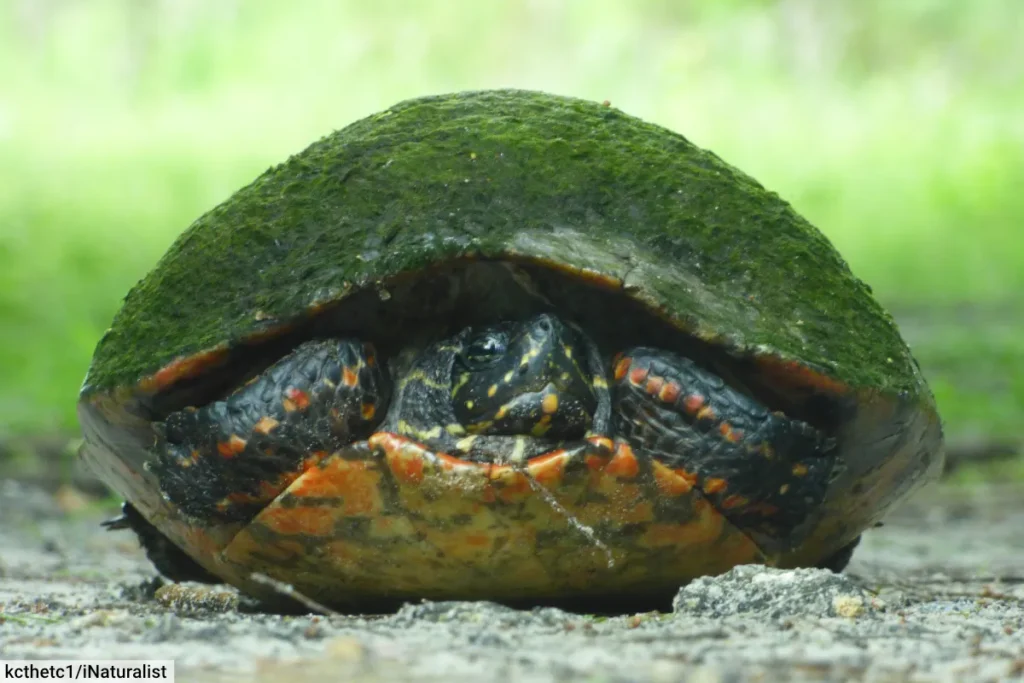
- Scientific name: Pseudemys nelsoni
- Family: Emydidae
- Rank: species
The Florida Red-bellied Cooter is recognized by its smooth, olive to dark brown carapace marked with yellow or orange streaks, and a bright red or orange plastron (underside) that gives the species its name.
Adults typically measure 10 to 15 inches in shell length. The head has yellow stripes extending from the nose past the eyes, and the skin is a contrasting yellowish color with dark markings. This freshwater turtle inhabits slow-moving rivers, ponds, and lakes primarily in central and southern Florida. It is often seen basking on logs or rocks near water. The red belly is a key identification feature that distinguishes it from other cooters in the region. Males tend to have longer claws and slightly smaller shells than females, which can aid identification during close observation.
This species is regionally notable as one of Florida’s most common freshwater turtles, contributing to local aquatic ecosystems.
Florida Reef Gecko
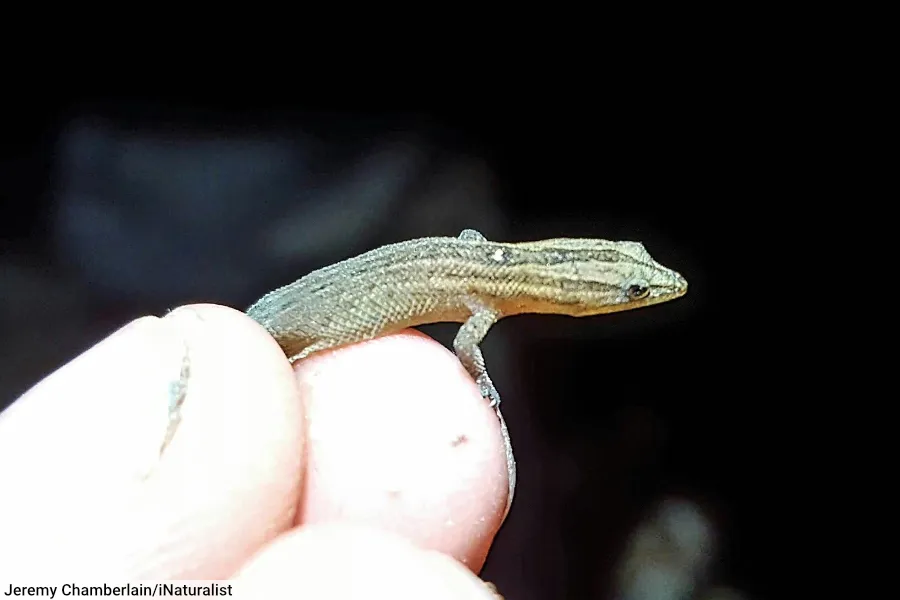
- Scientific name: Sphaerodactylus notatus
- Family: Sphaerodactylidae
- Rank: species
The Florida Reef Gecko is a very small lizard, typically measuring about 1 to 1.5 inches in total length. It has a rounded body and a short tail, with granular scales giving it a rough texture. Its coloration varies from light brown to gray, often with darker spots or mottling, which helps it blend into its surroundings. The head is relatively large compared to the body, and the eyes are prominent.
This small reptile is usually found in coastal habitats such as rocky shores, mangroves, and coral reefs, often hiding under debris or among leaf litter. It is most commonly encountered in southern Florida and nearby islands.
Identification is aided by its small size, distinctive speckled pattern, and habitat preference. The species is notable for being one of the few native geckos in Florida, adapted to marine-influenced environments where it plays a role in local ecosystems.
Florida Scrub Lizard
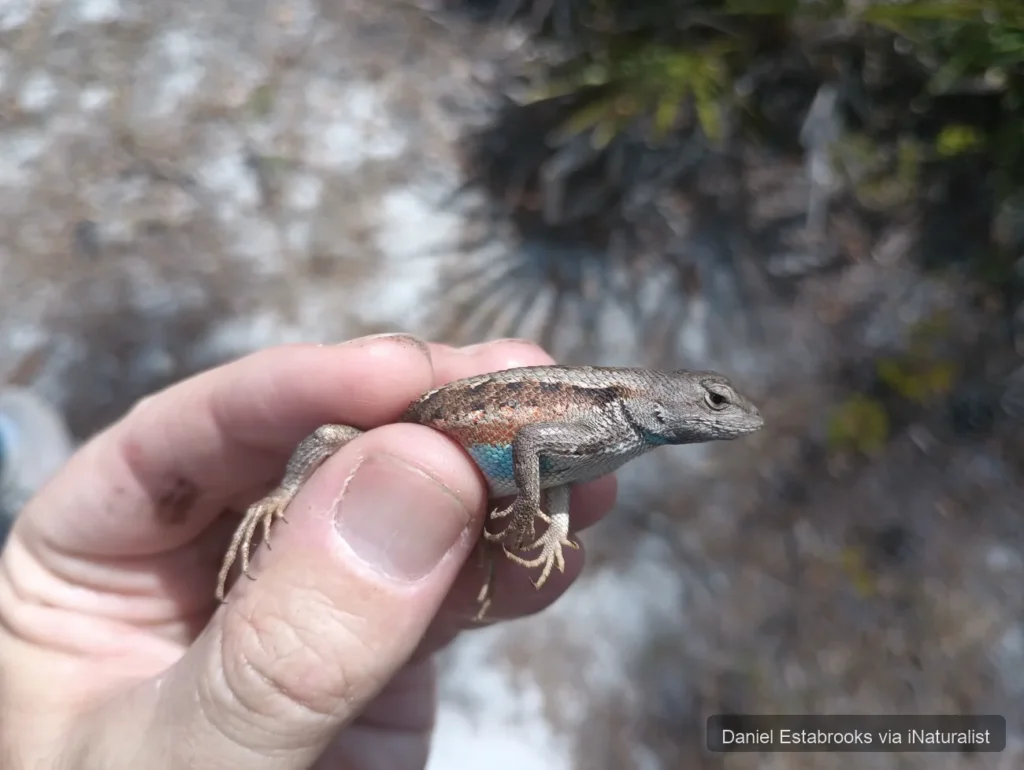
- Scientific name: Sceloporus woodi
- Family: Phrynosomatidae
- Rank: species
The Florida Scrub Lizard has a slender body with rough, keeled scales and typically measures 4 to 6 inches in total length. Its coloration ranges from gray to brown, often with darker blotches or stripes along the back. Males display bright blue patches on the throat and belly during the breeding season, which are useful for identification. Females and juveniles lack these vivid blue markings and have a more muted appearance.
This lizard is native to Florida’s scrub habitats, including sandy areas with sparse vegetation and scrub oak. It is often seen basking on open sandy ground or low shrubs, preferring dry, well-drained environments. The species is regionally notable as it is endemic to Florida, relying on the unique scrub ecosystem that has been reduced by development. Its presence can indicate a healthy scrub habitat.
Florida Softshell Turtle
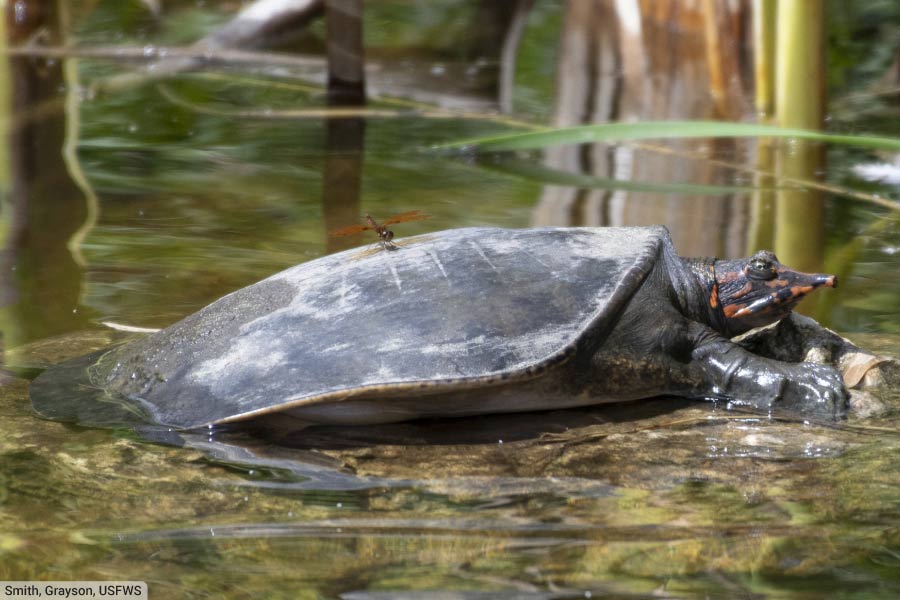
- Scientific name: Apalone ferox
- Family: Trionychidae
- Rank: species
The Florida Softshell Turtle is commonly found in freshwater habitats such as ponds, lakes, rivers, and marshes throughout Florida. It prefers slow-moving or still waters with soft, sandy or muddy bottoms where it can easily bury itself. This species is often seen basking on logs or banks near the water’s edge.
This turtle has a flattened, leathery shell that lacks the hard scutes typical of most turtles. Adults can grow up to 18 inches in shell length. The carapace is olive to brown with darker spots or blotches, and the head is long and pointed with a snorkel-like snout. Males are generally smaller than females and have longer claws on their front feet.
Identification of the Florida Softshell Turtle is aided by the soft, flexible shell and the distinctive elongated, soft snout. The species is notable for its unique shell structure and its important role in Florida’s aquatic ecosystems.
Gopher Tortoise
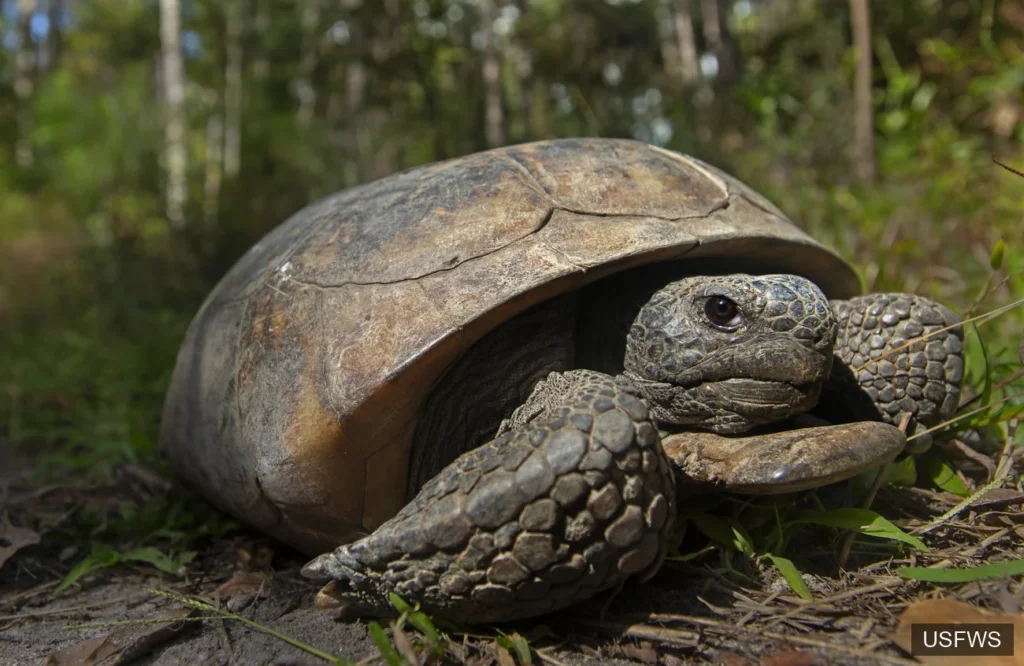
- Scientific name: Gopherus polyphemus
- Family: Testudinidae
- Rank: species
The gopher tortoise can be identified by its large, domed, brown or grayish shell with a rough, bumpy texture. Adults typically measure 9 to 15 inches in length. The front legs are covered with thick, shovel-like scales used for digging burrows, a key feature for recognizing this species. Males generally have a concave plastron (underside of the shell), while females have a flat one, helping to distinguish the sexes.
This tortoise lives in dry, sandy habitats such as pine flatwoods, scrub, and coastal dunes across Florida. It is commonly seen near its extensive burrows, which provide shelter for many other animals. The gopher tortoise is regionally notable due to its role as a keystone species, as its burrows support diverse wildlife in Florida’s ecosystems.
Green Anole
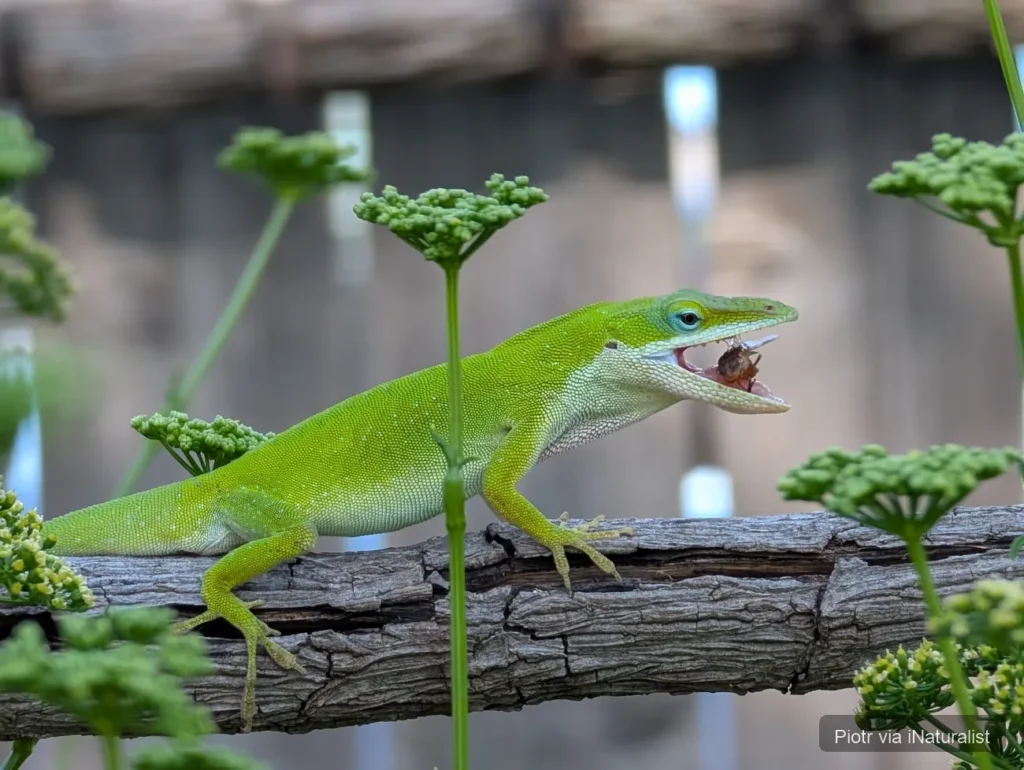
- Scientific name: Anolis carolinensis
- Family: Dactyloidae
- Rank: species
The green anole is a slender lizard typically measuring 5 to 8 inches long, including the tail. It has a pointed head, long limbs, and a thin body that allows it to move quickly through vegetation. Its skin color varies from bright green to brown, often changing to blend with surroundings, but the green shade is most characteristic. Males have a pink or reddish throat fan called a dewlap, which they display during territorial and mating behaviors, while females lack this prominent feature.
This lizard is commonly found in Florida’s trees, shrubs, and gardens, especially in warm, humid environments. It often perches on leaves or walls, where it hunts insects. Identification clues include its ability to change color, the dewlap in males, and its slender build. The green anole is notable in Florida as the state’s only native anole and often competes with invasive species like the brown anole.
Loggerhead Sea Turtle
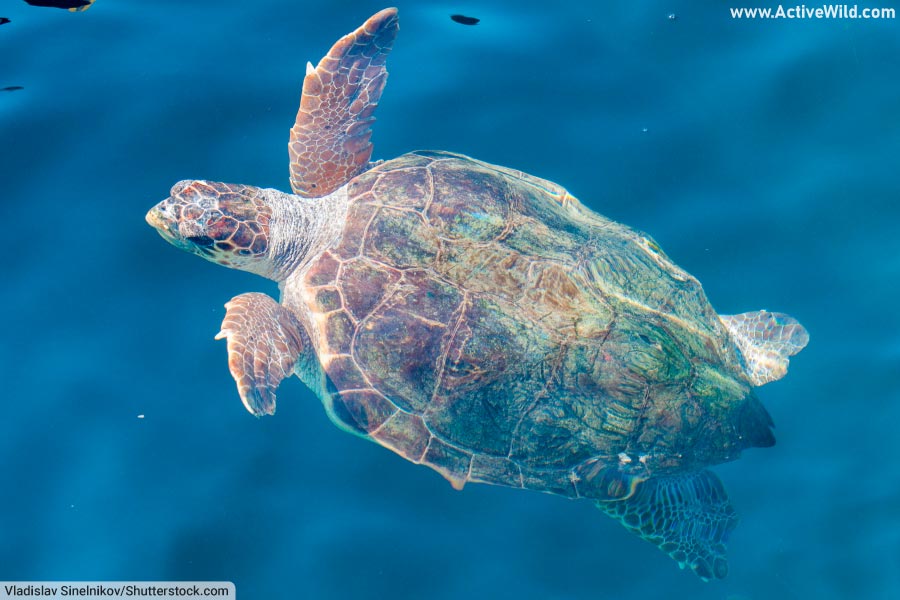
- Scientific name: Caretta caretta
- Family: Cheloniidae
- Rank: species
The loggerhead sea turtle has a large, heart-shaped shell that is reddish-brown on top and yellowish underneath. Adults typically range from 2.5 to 3.5 feet in carapace length and weigh between 170 and 350 pounds. Its broad head and strong jaws are distinctive, designed for crushing prey like crabs and mollusks. The flippers are paddle-shaped and lack claws, aiding in swimming.
This species is commonly found in coastal waters around Florida, especially near sandy beaches where females come ashore to nest. Loggerheads often inhabit bays, estuaries, and nearshore ocean habitats. They are notable in the region due to Florida’s extensive nesting beaches, which support one of the largest loggerhead populations in the world. Identification is aided by their large size, reddish-brown shell, and broad head compared to other sea turtles.
Further Reading
Find out more about reptiles found in Florida on the following pages:
Discover more amazing Florida wildlife on these pages:
- Complete guide to Florida wildlife: Florida Nature – Complete Guide
- Birds of Florida
- Scorpions of Florida
- Florida Spiders
Discover more about reptiles on these pages: