Texas wildlife is as varied as the state itself – across deserts, mountains, forests, prairies, rivers, and coastal marshes, Texas supports an extraordinary mix of animals and habitats.
Some species, such as the armadillo and Texas horned lizard, are closely tied to the state’s identity, while others, including the whooping crane, Kemp’s ridley sea turtle, and ocelot, make Texas an important place for conservation.
What makes the state especially interesting is the way different landscapes meet here. The dry Chihuahuan Desert, the wooded Piney Woods, the Gulf Coast wetlands, and the spring-fed Hill Country all support different communities of plants and animals.
Together, these elements make Texas one of the most rewarding states for anyone interested in North American wildlife.
Page Index
What Makes Texas Wildlife Unique?
Texas sits at the meeting point of several major ecological regions. In the west, desert mountains and arid basins support animals adapted to heat, drought, and open country. In the east, wetter forests resemble parts of the southeastern United States. Between them are grasslands, brush country, limestone hills, rivers, and coastal wetlands.
This variety helps explain why Texas wildlife feels so diverse. A single state can include roadrunners in scrubland, alligators in marshes, bats pouring from city bridges, sea turtles nesting on barrier islands, and rare cranes wintering along the coast. The result is not just a long species list, but a set of distinct wildlife experiences shaped by place and season.
Major Texas Wildlife Habitats
Texas Hill Country and the Edwards Plateau
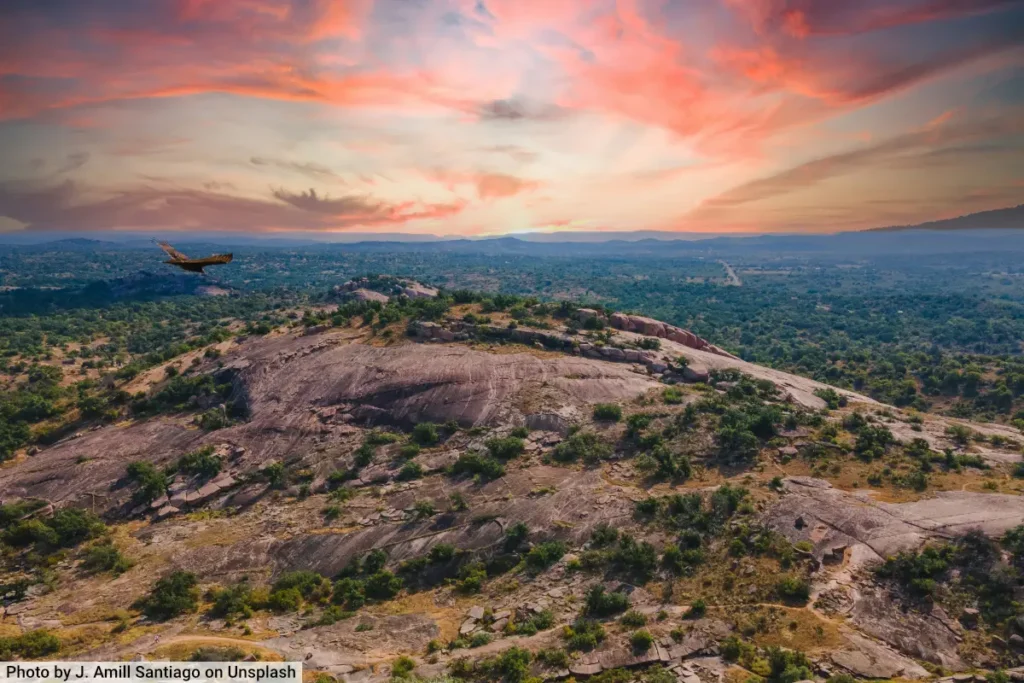
The Texas Hill Country is one of the state’s most recognizable natural regions. Its limestone hills, clear rivers, springs, caves, and seasonal wildflowers create habitat for a wide range of wildlife. The region is also known for species adapted to karst landscapes, including cave-dwelling animals found in only a small part of the world.
For visitors, the Hill Country is often one of the easiest places to connect with Texas wildlife. Deer, songbirds, bats, reptiles, and insects are all part of the landscape, while spring wildflowers attract pollinators and make the region especially popular in late March and April.
Chihuahuan Desert
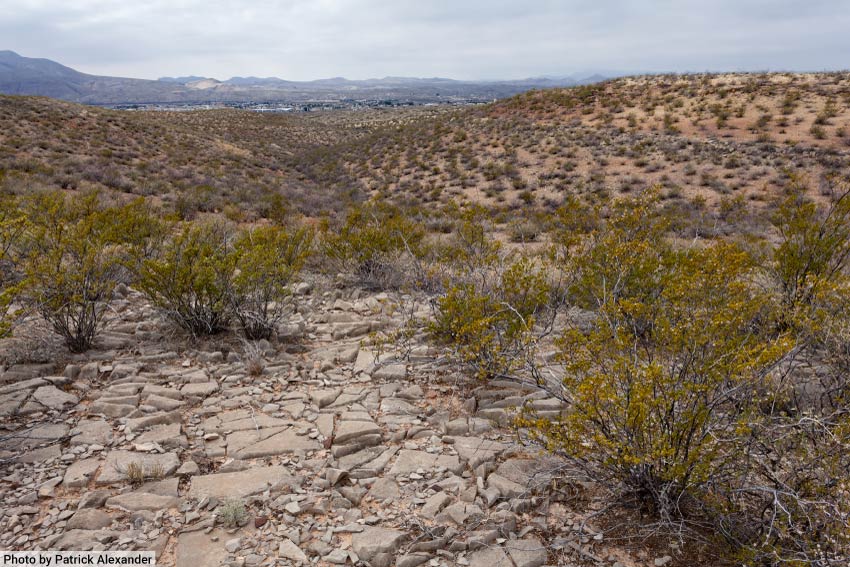
West Texas contains part of the Chihuahuan Desert, one of North America’s great desert ecosystems. This is a landscape of mountain ranges, desert flats, canyons, cacti, yucca, and hardy grasses. Big Bend National Park protects some of the best-known desert habitat in the state.
Wildlife here must cope with heat, limited water, and wide-open terrain. Greater roadrunners, javelinas, pronghorns, coyotes, reptiles, bats, and many desert birds are part of this region’s character. The desert may look sparse at first glance, but it supports a surprisingly rich web of life.
Gulf Coast Marshes and Estuaries
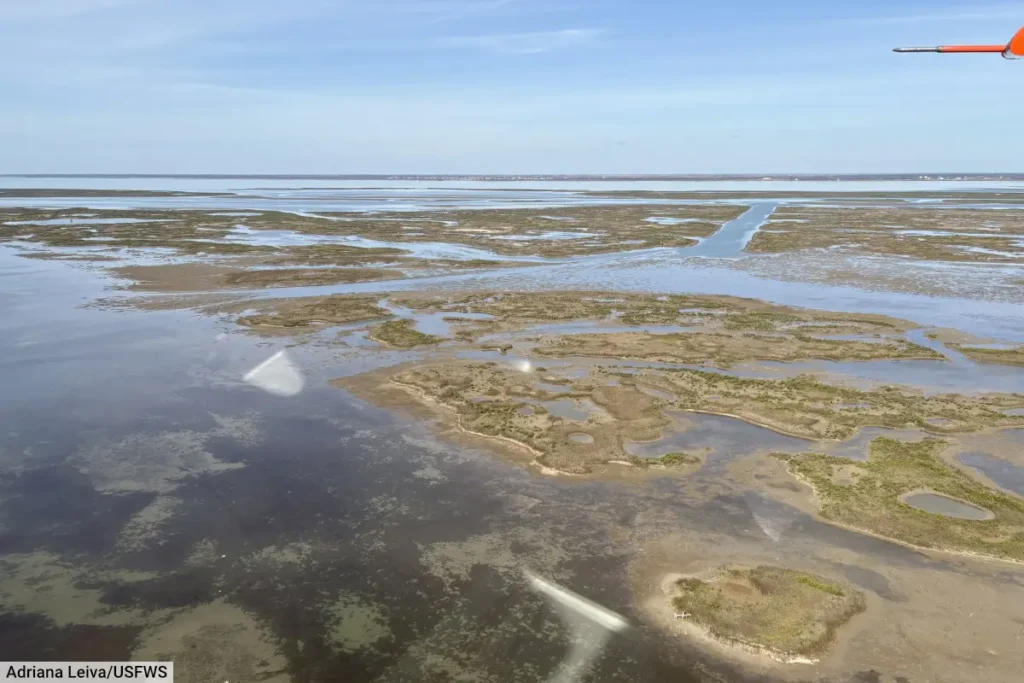
The Texas Gulf Coast is one of the state’s most important wildlife regions. Its marshes, bays, estuaries, tidal flats, and barrier islands provide feeding, nesting, and nursery habitat for birds, fish, reptiles, and mammals.
These coastal wetlands are especially important for migratory birds. Ducks, geese, shorebirds, songbirds, and cranes depend on the coast at different times of year. American alligators also live in eastern Texas wetlands, where they help shape aquatic habitats.
Piney Woods
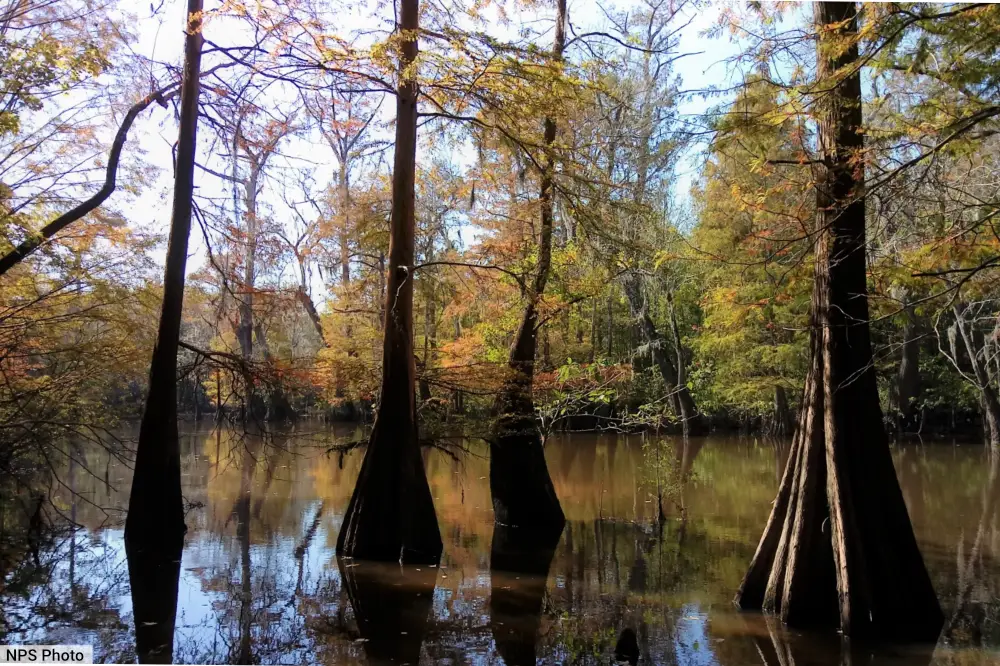
East Texas looks and feels very different from the dry west. The Piney Woods region receives more rainfall than the rest of the state and supports pine and hardwood forests, wetlands, bayous, and bottomlands.
This forested landscape provides habitat for woodpeckers, deer, small mammals, reptiles, amphibians, and many species associated with the southeastern United States. It is also an important reminder that Texas wildlife is not only about deserts and ranchland; the state also contains deep forests and wet, green lowlands.
Barrier Islands and Coastal Ecosystems
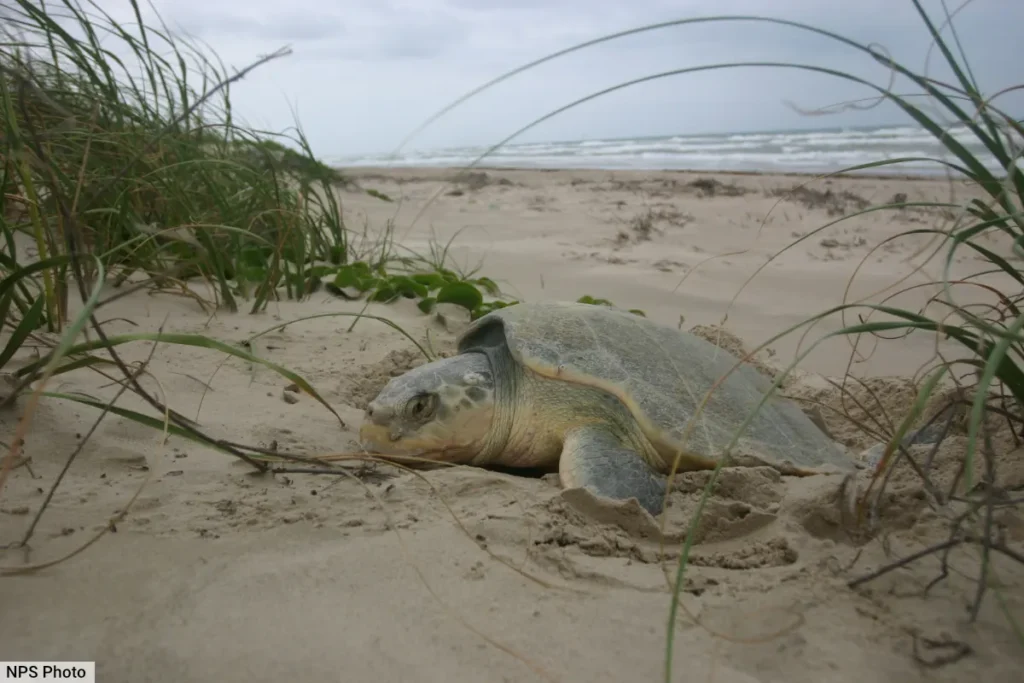
The Texas coastline includes Padre Island National Seashore, which protects the world’s longest undeveloped barrier island. These coastal habitats include dunes, beaches, tidal flats, grasslands, and shallow waters.
Barrier islands are vital for sea turtles, shorebirds, and coastal fisheries. They also help preserve natural coastal processes, giving wildlife room to nest, feed, migrate, and recover from storms.
Iconic Texas Wildlife
Mammals
Nine-banded Armadillo
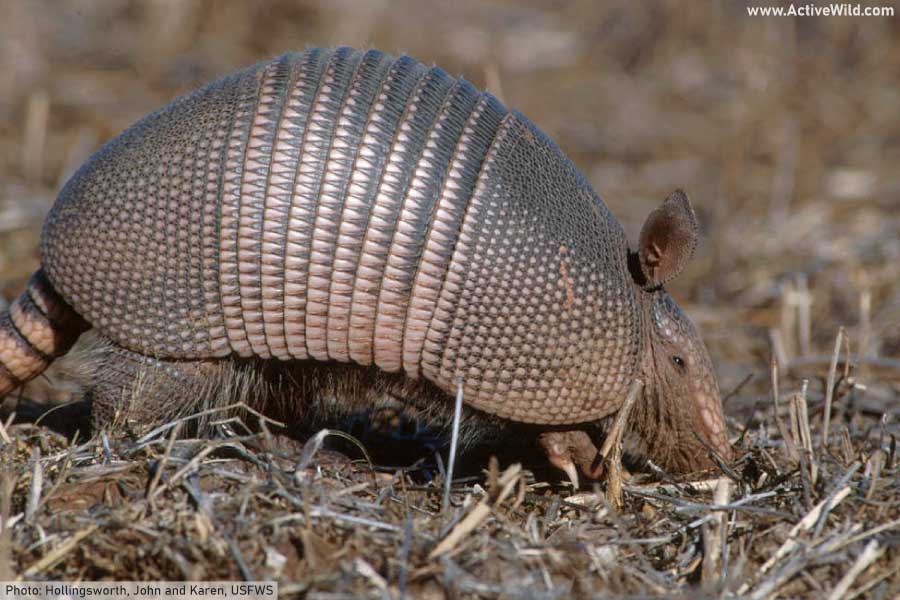
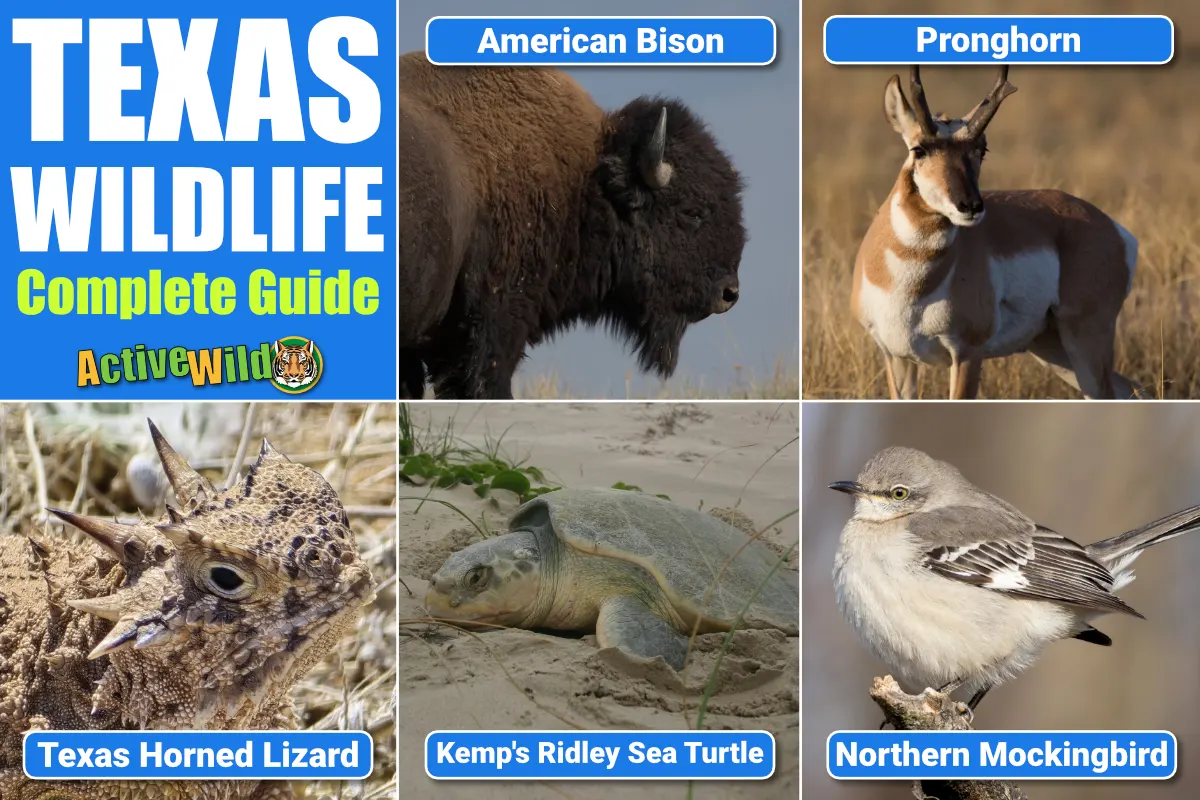
The nine-banded armadillo is one of the most familiar animals in Texas. With its armored shell, pointed snout, and habit of rooting through soil for insects, it is easy to recognize. As the official state small mammal, it has become a symbol of Texas wildlife as well as a common sight in many parts of the state.
Mexican Free-tailed Bat
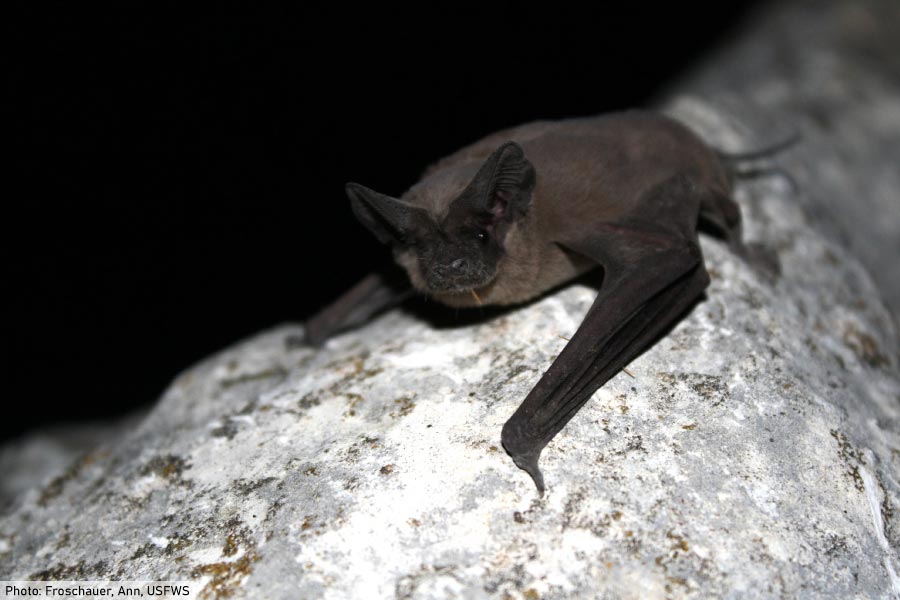
Texas is famous for its Mexican free-tailed bats. Huge colonies roost in caves, bridges, and other structures, then emerge at dusk in long, swirling streams. Austin’s Congress Avenue Bridge and Bracken Cave are two of the best-known places to see this spectacle.
These bats are more than a tourist attraction. By feeding on vast numbers of insects, they play an important ecological role and can benefit agriculture by reducing pest populations.
American Bison
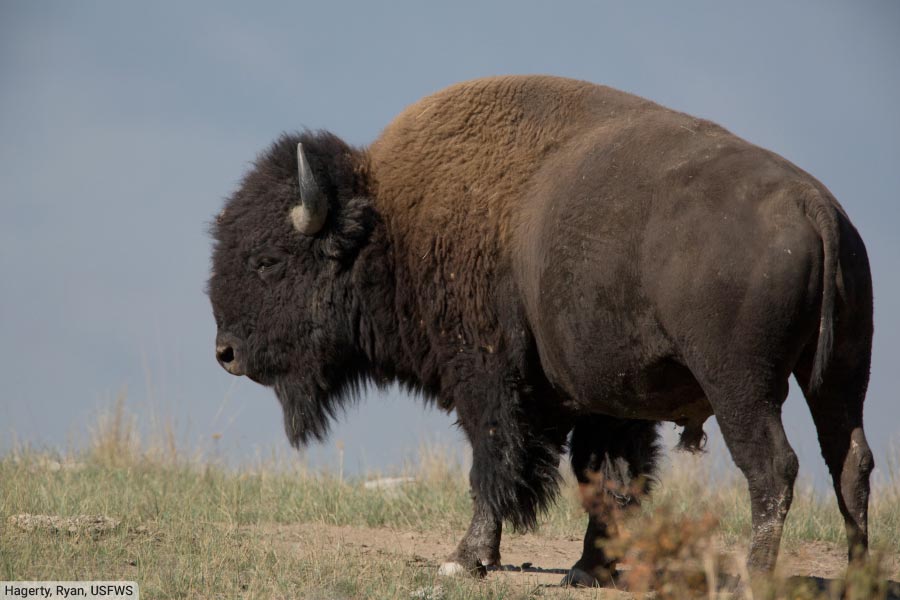
American bison once roamed Texas grasslands in great numbers. Although they are no longer widespread as wild animals in the state, conservation herds preserve an important link to the Great Plains ecosystem and the history of the region.
Pronghorn
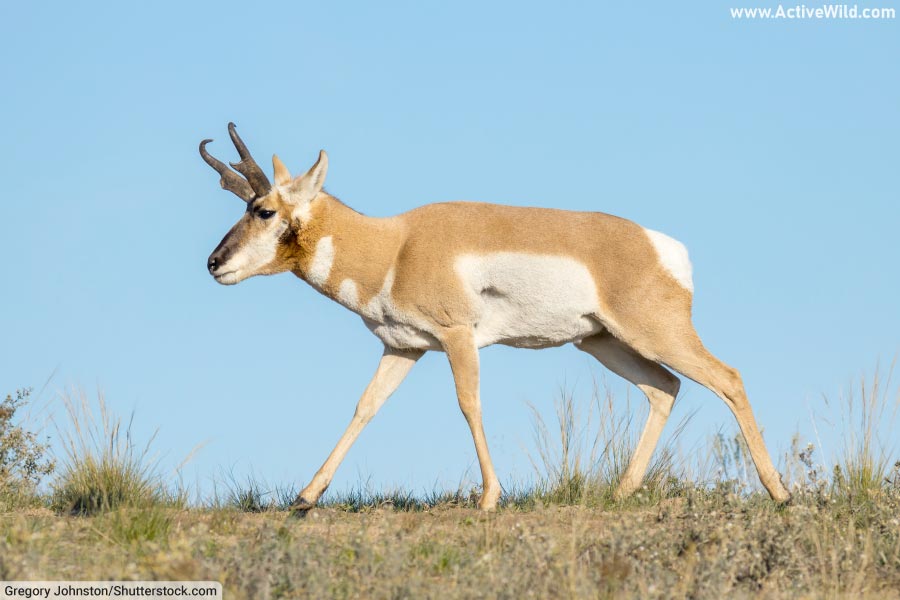
Pronghorns live mainly in the open grasslands and desert regions of West Texas. Known for their speed and endurance, they are built for wide landscapes where visibility and movement matter. Their presence adds to the distinctive wildlife character of the state’s arid country.
Reptiles
Texas Horned Lizard
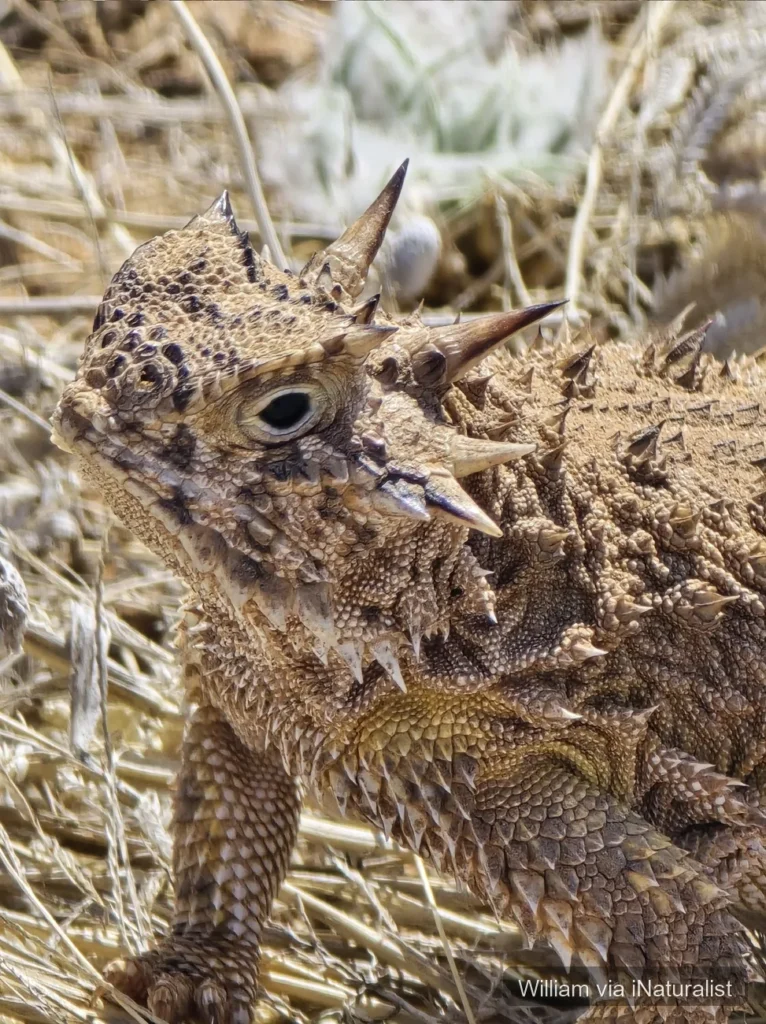
The Texas horned lizard, often called the “horny toad,” is one of the state’s best-loved reptiles. Its flattened body, spiky outline, and desert colors make it instantly recognizable. As the official state reptile, it is another strong emblem of Texas wildlife.
The species has declined in parts of its range, making it a useful reminder that familiar animals can still need careful habitat protection.
American Alligator
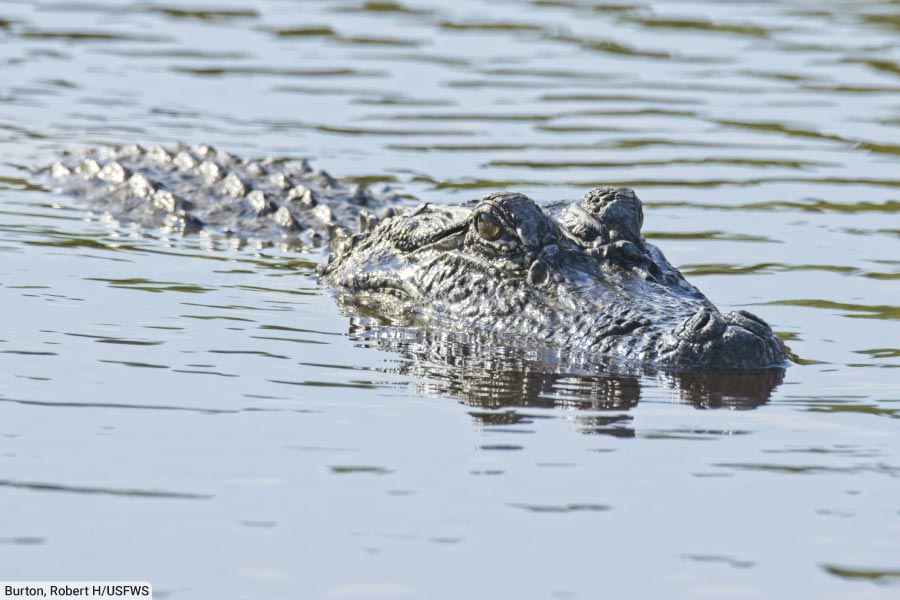
American alligators live in wetlands, marshes, rivers, and swamps in eastern and coastal Texas. As top predators and ecosystem engineers, they influence the structure of wetland communities. Their presence is also a sign of the state’s connection to the broader ecology of the southeastern United States.
Kemp’s Ridley Sea Turtle
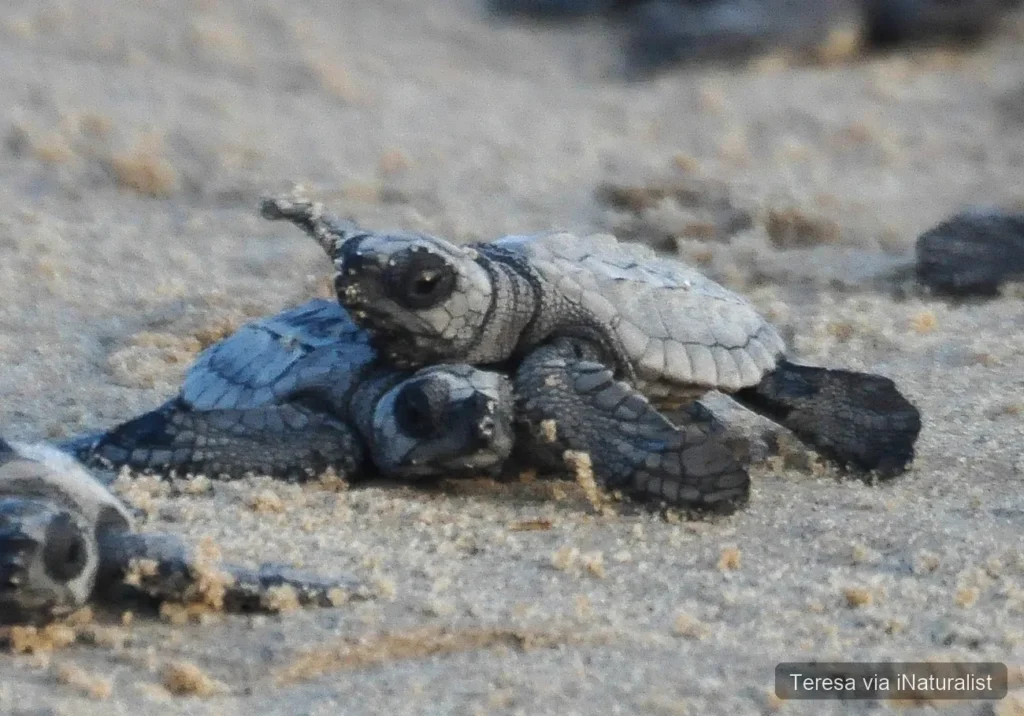
The Kemp’s ridley sea turtle is the world’s rarest sea turtle. Texas beaches, especially along Padre Island, are important nesting areas. Conservation work on the coast has helped protect nests, support hatchlings, and draw attention to the fragile link between marine wildlife and beach habitat.
Birds
Northern Mockingbird
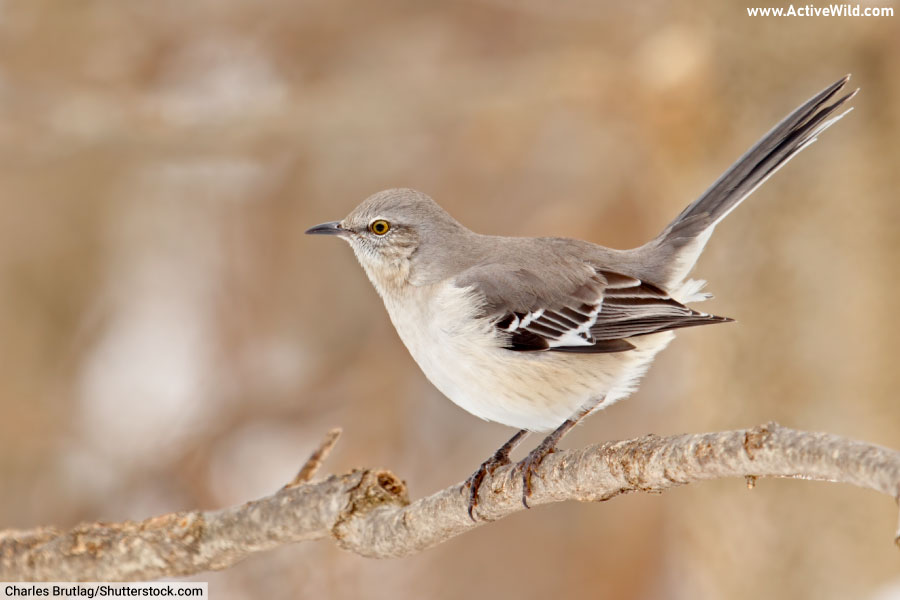
The northern mockingbird, Texas’s state bird, is known for its remarkable ability to imitate other birds and sounds. It is common in cities, suburbs, farms, and natural areas, making it one of the most familiar birds in the state.
Whooping Crane

The whooping crane is one of North America’s rarest birds and one of the great conservation stories connected to Texas. The main wild migratory population winters along the Texas Gulf Coast, especially around Aransas National Wildlife Refuge. These tall white cranes depend on coastal marshes, shallow bays, and nearby uplands during the winter months.
Greater Roadrunner

The greater roadrunner is closely associated with the dry landscapes of Texas and the American Southwest. It hunts on foot, moves quickly through scrub and desert habitat, and has become a familiar cultural symbol of arid country.
Other Notable Texas Wildlife
Ocelot
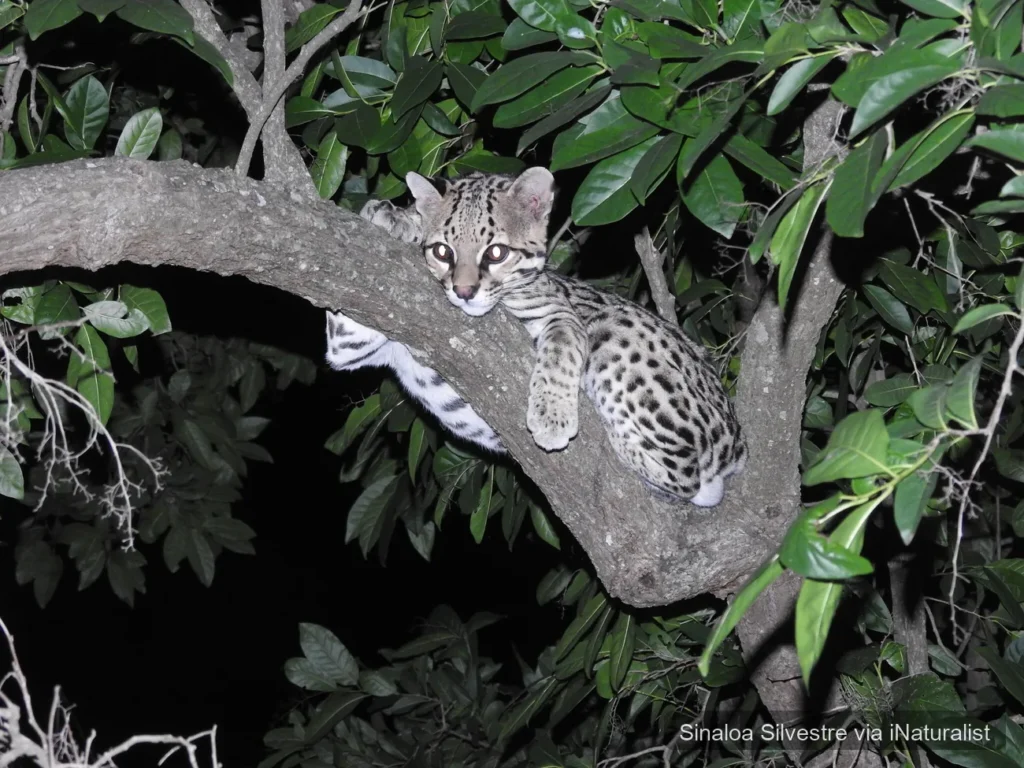
The ocelot is one of the rarest mammals in the United States, with a small remnant population in South Texas. Dense thornscrub habitat is essential for its survival. Because so few remain in the country, the ocelot is one of the most important conservation species in Texas.
Collared Peccary (Javelina)
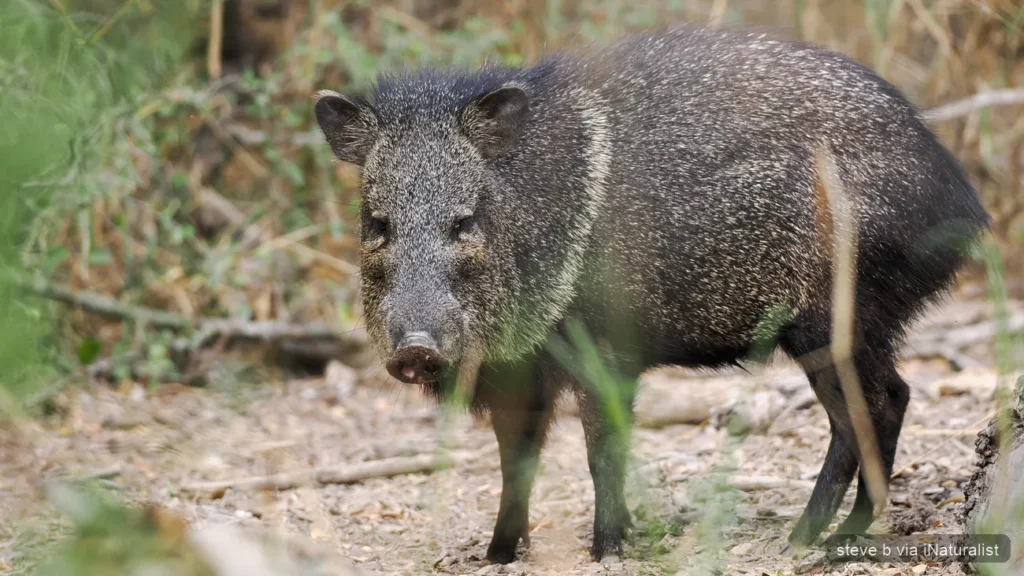
Collared peccaries (also known as javelinas) are common in South and West Texas, where they live in brush country, desert, and scrubland.
The collared peccary is one of three living peccary species, and the only one found in the USA. Although peccaries resemble pigs, they belong to a different animal family (Tayassuidae). Their social groups, tough diet, and adaptability make them a memorable part of Texas wildlife.
Coyote
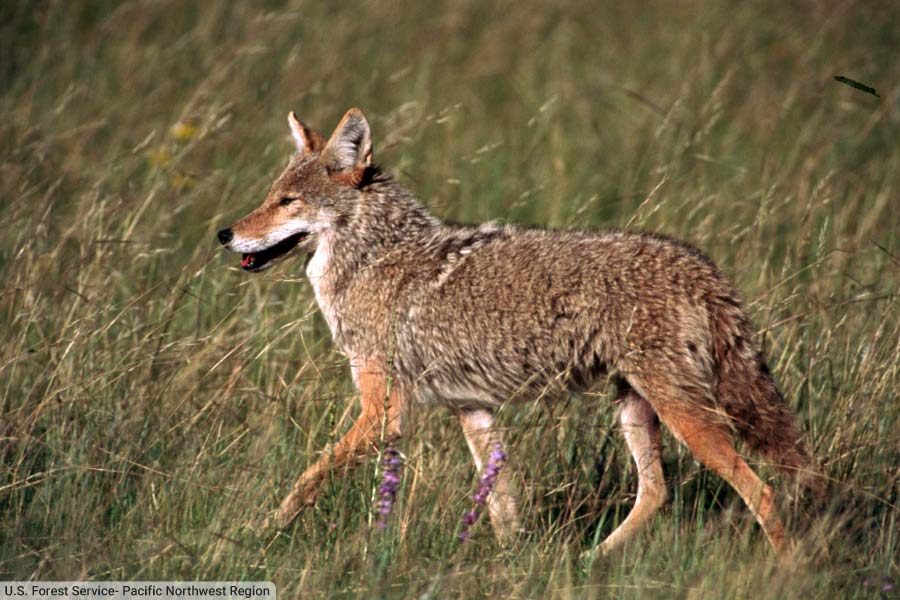
Coyotes are found across nearly every part of Texas. They are adaptable predators that live in deserts, grasslands, forests, ranchlands, and even urban areas. Their ability to thrive alongside people has made them both ecologically important and deeply woven into folklore.
Attwater’s Prairie-Chicken
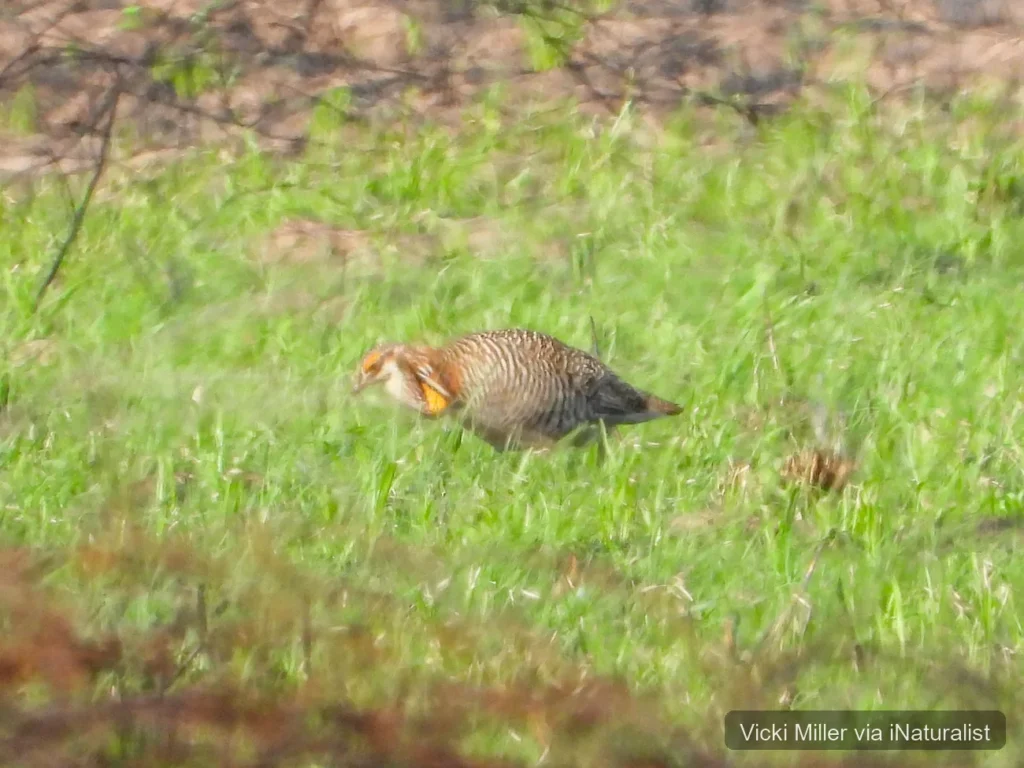
Attwater’s prairie-chicken is one of the most endangered birds in North America. Once found across coastal prairies, it declined as native grasslands were converted to other uses. Its story shows how closely wildlife conservation is tied to protecting whole habitats, not just individual species.
Wildlife Migrations and Seasonal Events in Texas
Some of the best Texas wildlife experiences are seasonal. The state sits along major migration routes, and its size means that different events unfold across different regions at different times of year.
Monarch Butterfly Migration
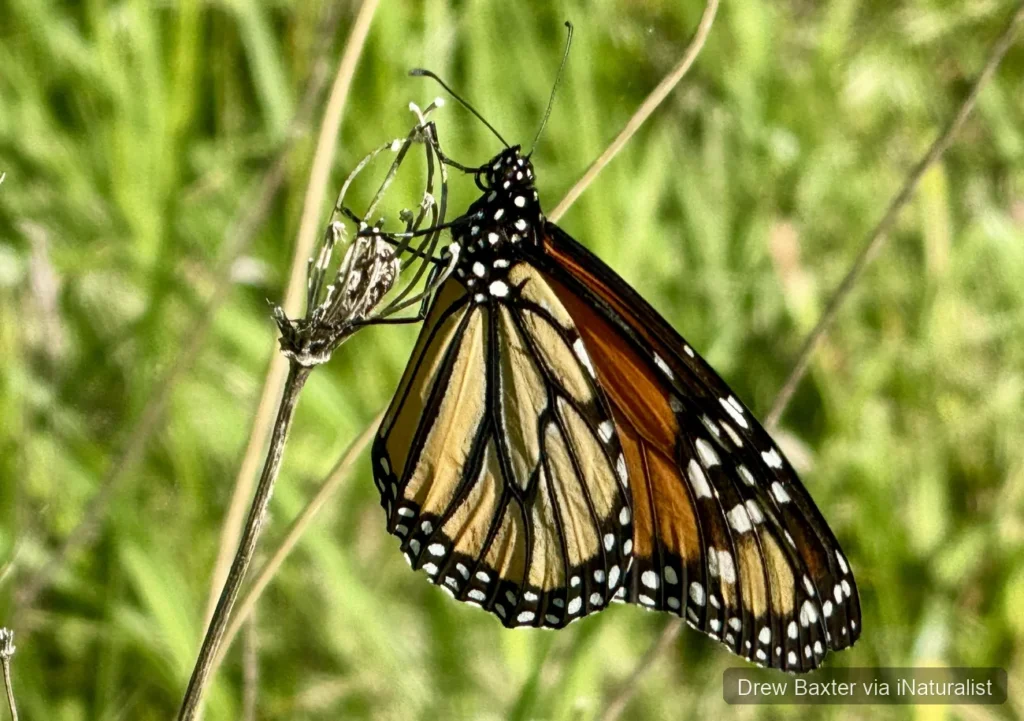
Each fall, monarch butterflies pass through Texas on their way to wintering sites in Mexico. Central Texas and the Hill Country can be especially good places to notice the migration, particularly when butterflies gather on flowering plants or move through in visible numbers.
Bat Emergence Events
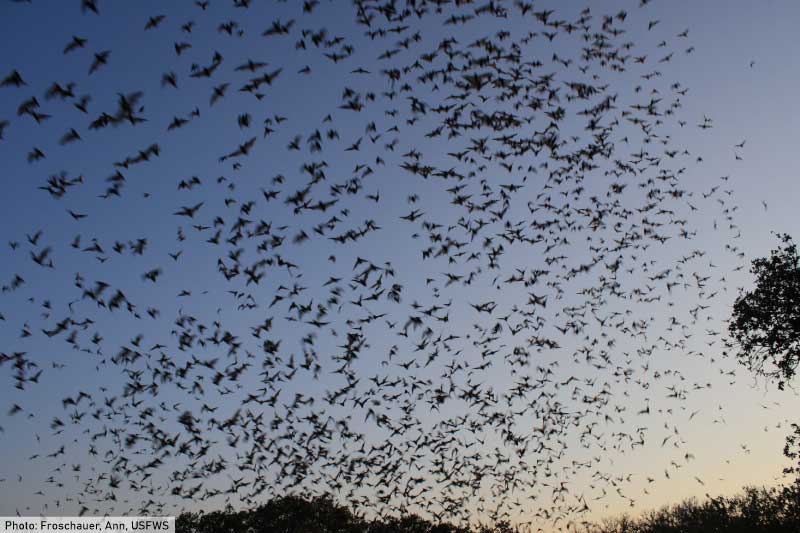
Evening bat emergences are among the most dramatic wildlife events in Texas. At sites such as Austin’s Congress Avenue Bridge and Bracken Cave, Mexican free-tailed bats pour into the sky at dusk to feed. These events are popular because they are easy to witness and genuinely impressive, even for people who do not usually think of themselves as wildlife watchers.
Whooping Crane Wintering Season

Whooping cranes arrive on the Texas Gulf Coast for the winter after migrating from breeding grounds far to the north. Their wintering season is one of the state’s most meaningful wildlife events because it combines rarity, beauty, and conservation history.
Best Places to Experience Texas Wildlife
Big Bend National Park
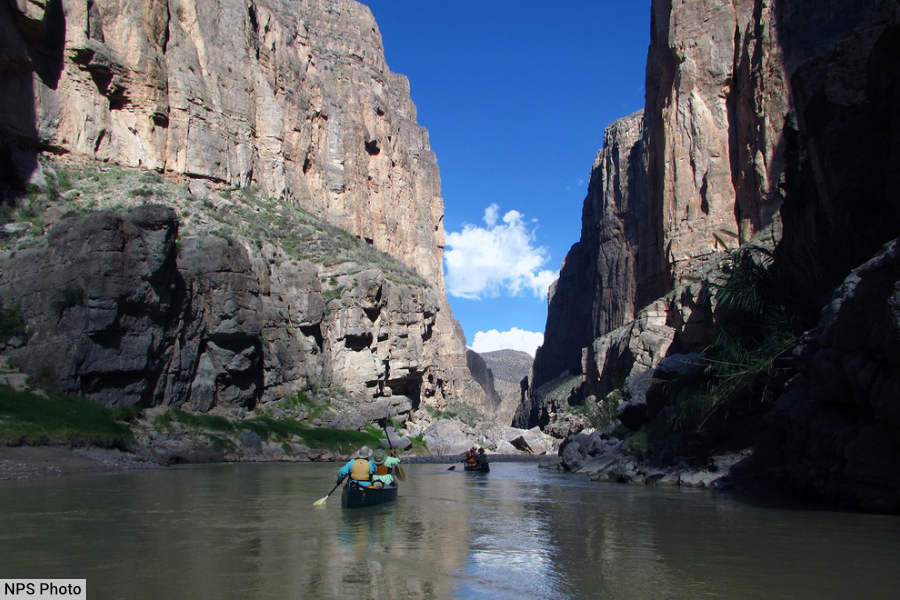
Big Bend National Park is one of the best places to experience desert and mountain wildlife in Texas. Its habitats include desert flats, canyons, the Chisos Mountains, and the Rio Grande. Visitors may encounter roadrunners, javelinas, reptiles, bats, and a wide variety of birds, along with striking desert plants and dark night skies.
Padre Island National Seashore
Padre Island National Seashore protects beaches, dunes, grasslands, tidal flats, and sea turtle nesting habitat. It is a major destination for birding and coastal wildlife viewing, and it plays an important role in Kemp’s ridley sea turtle conservation.
Guadalupe Mountains National Park
Guadalupe Mountains National Park preserves rugged mountain and desert habitat in West Texas. It is known for Guadalupe Peak, the highest point in the state, as well as its fossil reef geology, canyons, and desert-adapted wildlife.
Big Thicket National Preserve
Big Thicket National Preserve protects a remarkable mix of habitats in East Texas, including forests, wetlands, and bayous. It is one of the best places to understand the wetter, greener side of Texas wildlife.
Palo Duro Canyon State Park
Palo Duro Canyon State Park, often called the Grand Canyon of Texas, offers dramatic scenery and good wildlife viewing in the Panhandle. Its canyon habitats support animals adapted to open, rugged country.
Texas Wildlife Conservation Success Stories
Texas has several conservation stories that show how habitat protection, research, public support, and long-term management can make a difference.
Whooping Crane Recovery
The recovery of the whooping crane is one of the best-known conservation achievements connected to Texas. Protection of wintering habitat along the Gulf Coast helped the species recover from a dangerously small population in the 1940s to several hundred birds today. The species is still vulnerable, but its survival shows what sustained conservation can accomplish.
Kemp’s Ridley Sea Turtle Conservation
Kemp’s ridley sea turtles remain rare, but conservation work in Texas and Mexico has helped protect nests and improve the species’ chances. Padre Island has been especially important for public awareness, monitoring, and hatchling releases.
Desert Bighorn Sheep Restoration
Desert bighorn sheep disappeared from Texas in the twentieth century, but reintroduction and habitat management have brought them back to parts of West Texas. Their return is a strong example of how targeted wildlife restoration can rebuild a lost part of the state’s natural heritage.
Conclusion & Further Reading
Texas wildlife is shaped by the state’s scale, climate, and remarkable variety of habitats. From armadillos and horned lizards to bats, alligators, cranes, sea turtles, ocelots, and bighorn sheep, the animals of Texas reflect a landscape where deserts, forests, wetlands, prairies, and coastlines all meet.
For anyone interested in nature, Texas offers more than a checklist of species. It offers migrations, seasonal spectacles, rare animals, accessible parks, and conservation stories that continue to unfold. Understanding Texas wildlife is one of the best ways to understand the state itself.
You can find out more about Texas wildlife on the following pages: