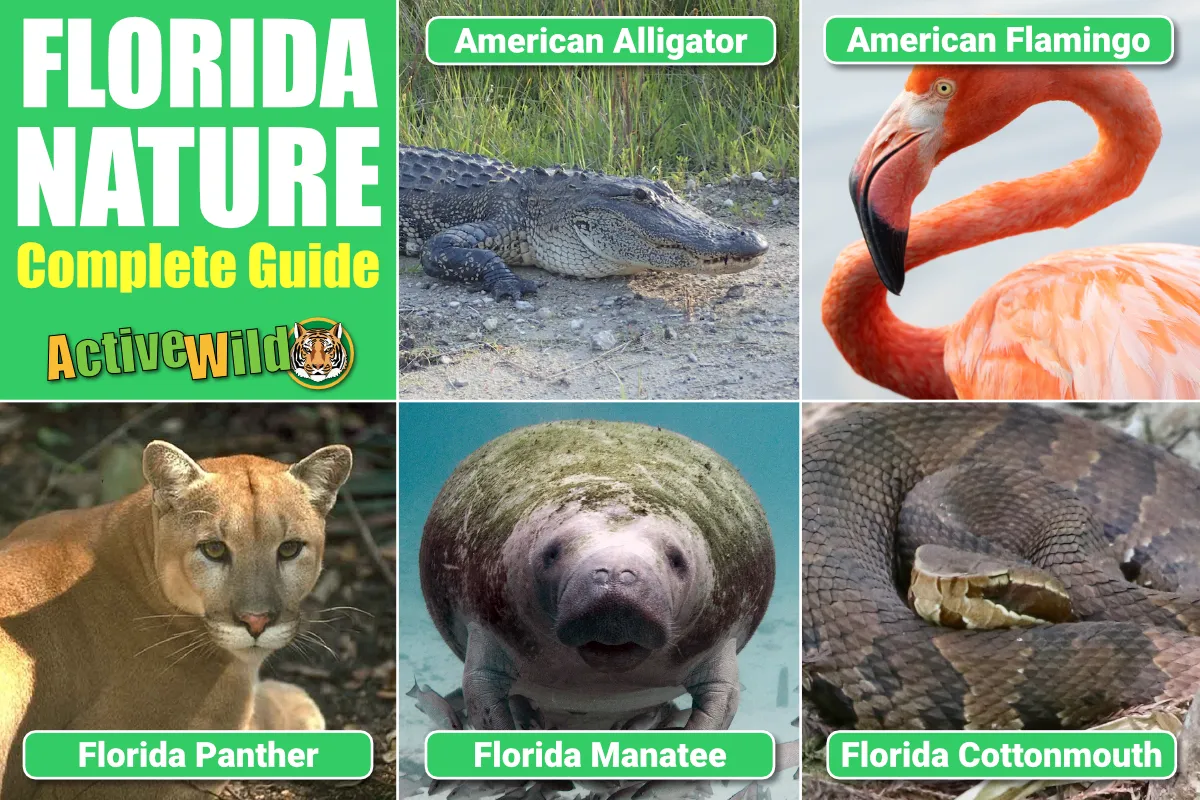
This complete guide to Florida Nature and Florida Wildlife explores the state’s unique ecosystems, iconic animals, seasonal wildlife events, and best natural destinations.
From the Everglades and mangrove forests to manatees, alligators (and crocodiles), and sea turtles, discover the species and wild places that define Florida in this guide for residents and visitors alike.
Page Index
Introduction
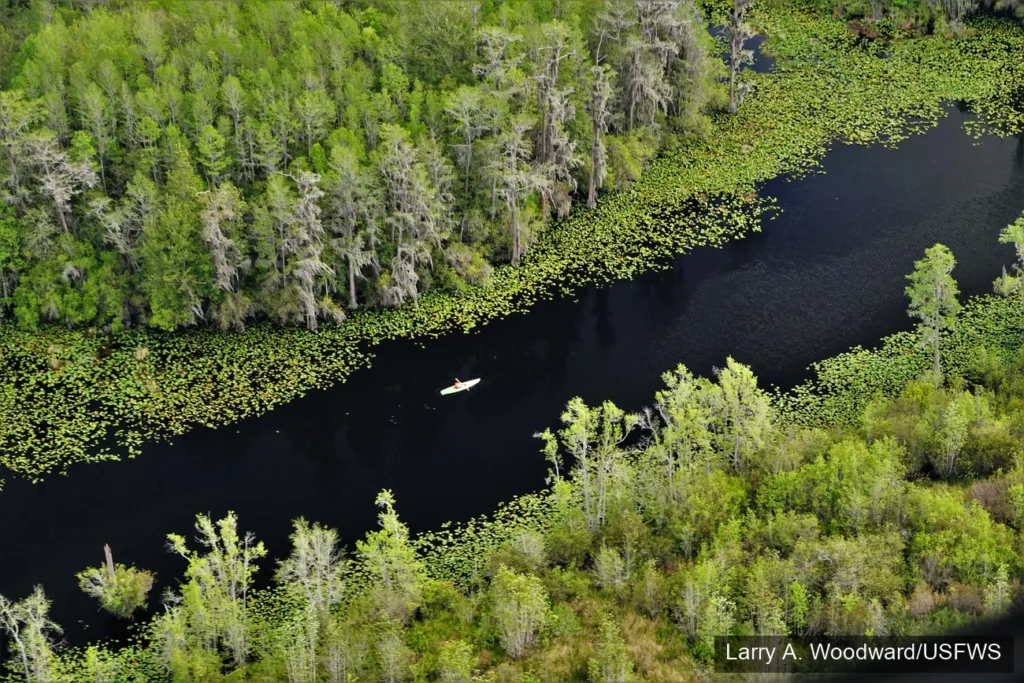
Florida’s natural environment presents a distinctive blend of subtropical and tropical ecosystems that support a rich diversity of wildlife. The state’s geography, characterized by extensive coastlines, wetlands, and forests, shapes a unique ecological identity.
From the slow-moving waters of the Everglades to the vibrant coral reefs of the Keys, Florida nature offers varied habitats that sustain numerous species. Understanding the complexity of these ecosystems and their inhabitants provides insight into the state’s ecological character and the wildlife that defines it.
What Makes Florida Nature Unique?
Florida’s natural landscapes are shaped by its peninsular position between the Atlantic Ocean and the Gulf of Mexico, combined with a warm climate that supports both temperate and tropical species.
The state’s ecosystems range from freshwater marshes and cypress swamps to coastal mangroves and coral reefs. This variety creates a mosaic of habitats that support an exceptional level of biodiversity.
The gradual southward flow of water through the Everglades, the presence of rare and endangered species, and the interface between marine and terrestrial environments contribute to Florida’s ecological distinctiveness.
Key Ecosystems and Natural Features in Florida
Everglades Wetlands
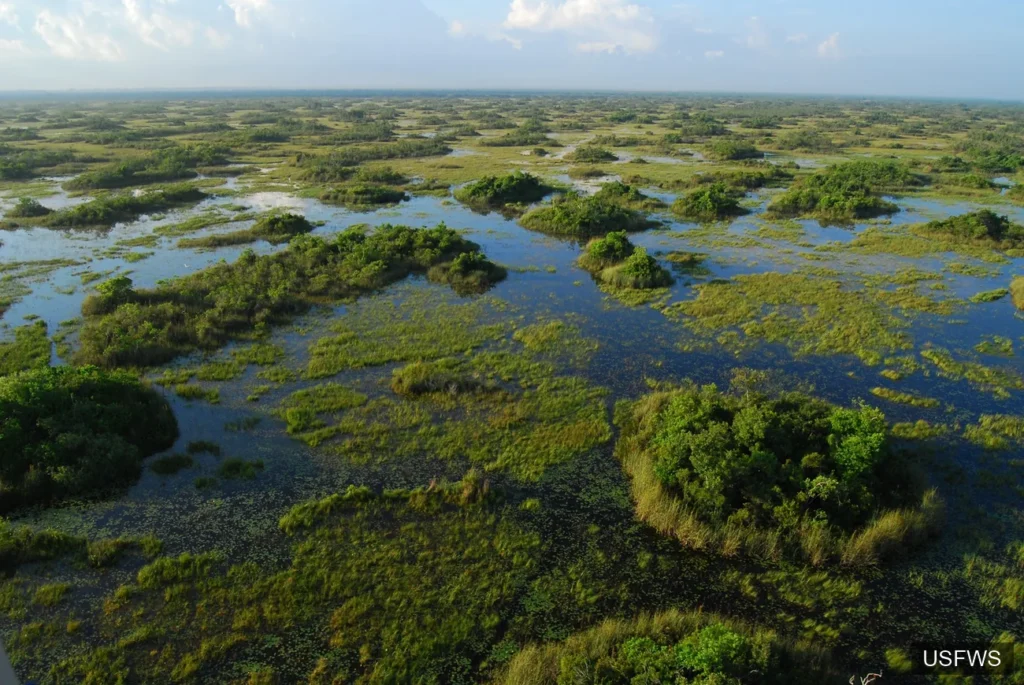
The Everglades represent one of the largest subtropical wetlands globally, characterized by slow-moving water flowing from central Florida toward the southern tip of the peninsula. This vast network includes sawgrass marshes, sloughs, and tree islands, creating a dynamic habitat mosaic. The Everglades support a range of species, including apex predators like the American alligator and the elusive Florida panther. The wetlands also provide critical breeding and feeding grounds for numerous wading birds, making this ecosystem a cornerstone of Florida’s natural heritage.
Mangrove Forests
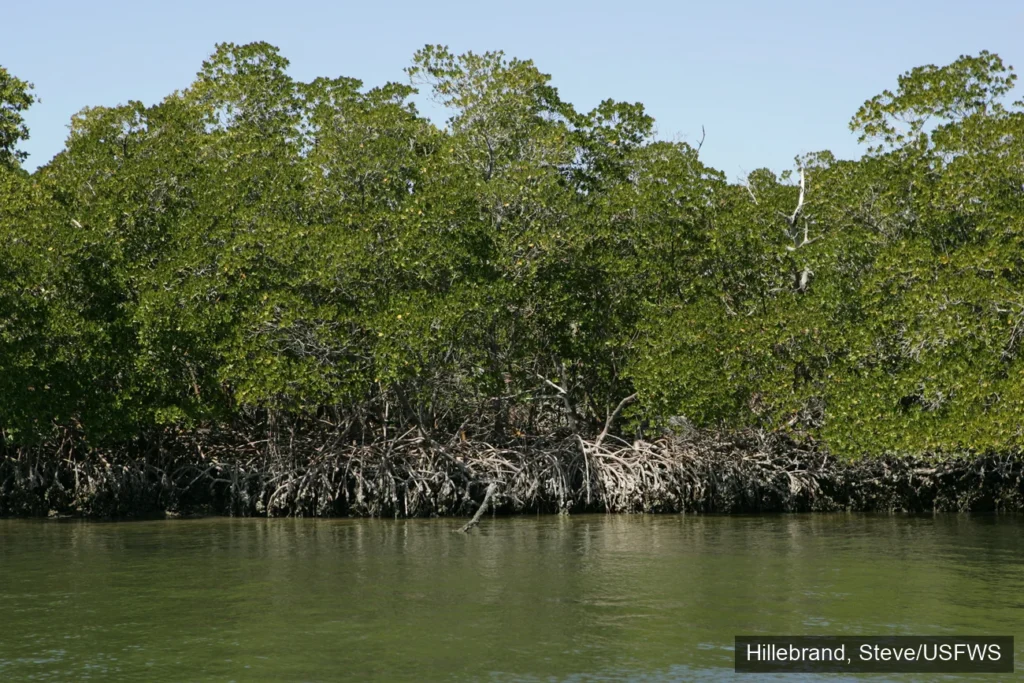
Mangrove forests fringe Florida’s tropical and subtropical coastlines, particularly in southern Florida and the Florida Keys. These salt-tolerant trees form dense thickets that serve as vital nursery habitats for fish, crabs, and shrimp.
The structural complexity of mangroves offers shelter and feeding opportunities for a variety of birds, reptiles, and marine mammals. These forests play an essential role in coastal protection and nutrient cycling within Florida’s marine ecosystems.
Coral Reef Ecosystems
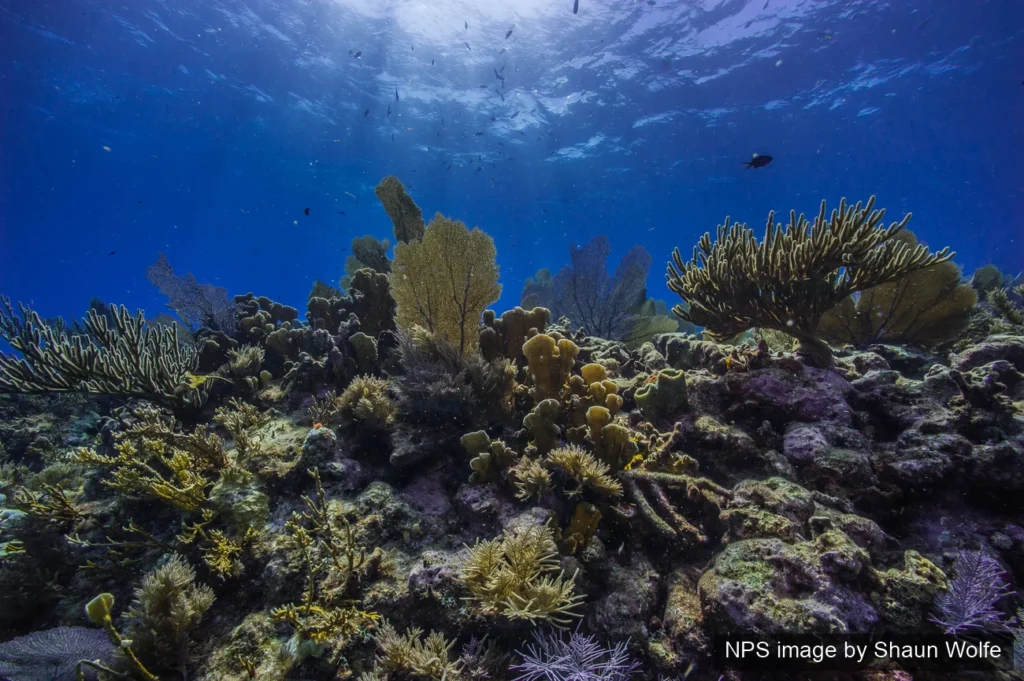
Florida hosts the only extensive coral reef system in the continental United States, extending along the Florida Keys. These reefs support a diverse array of marine life, contributing to the state’s marine biodiversity.
Coral reefs act as natural barriers against storms and provide habitat for numerous fish and invertebrate species. Their health is critical to sustaining Florida’s fisheries and coastal ecosystems.
Iconic Wildlife and Official State Symbols of Florida
Mammals
Florida Panther
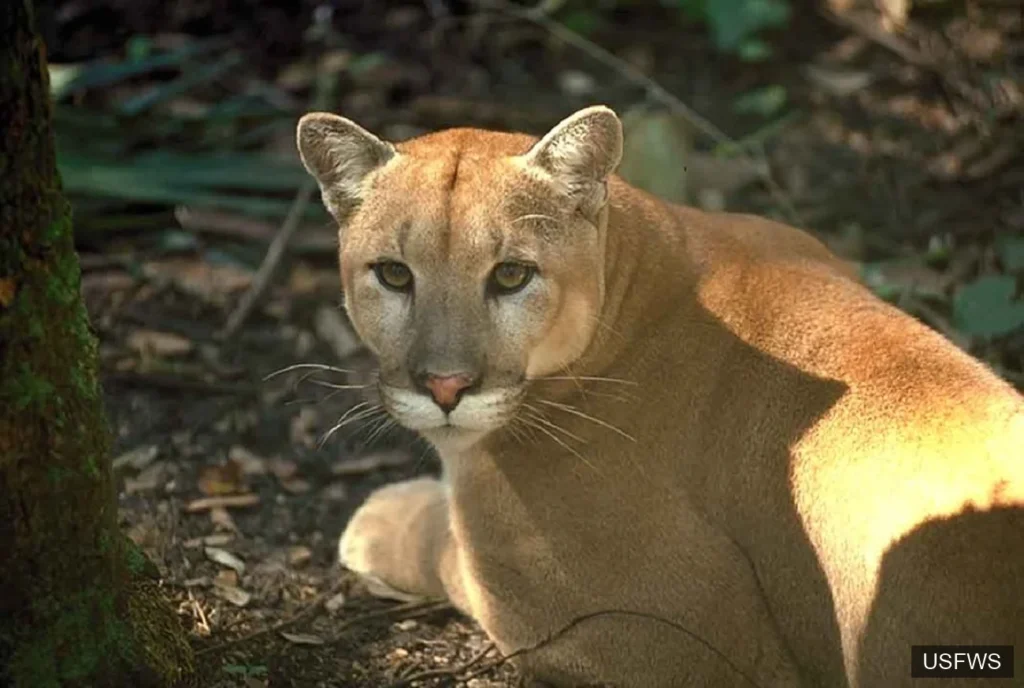
The Florida panther is a rare and endangered subspecies of cougar primarily inhabiting the forests and swamps of south Florida. It holds the official status of Florida’s state mammal. This predator plays a crucial role in maintaining ecological balance by regulating prey populations within its habitat.
West Indian Manatee
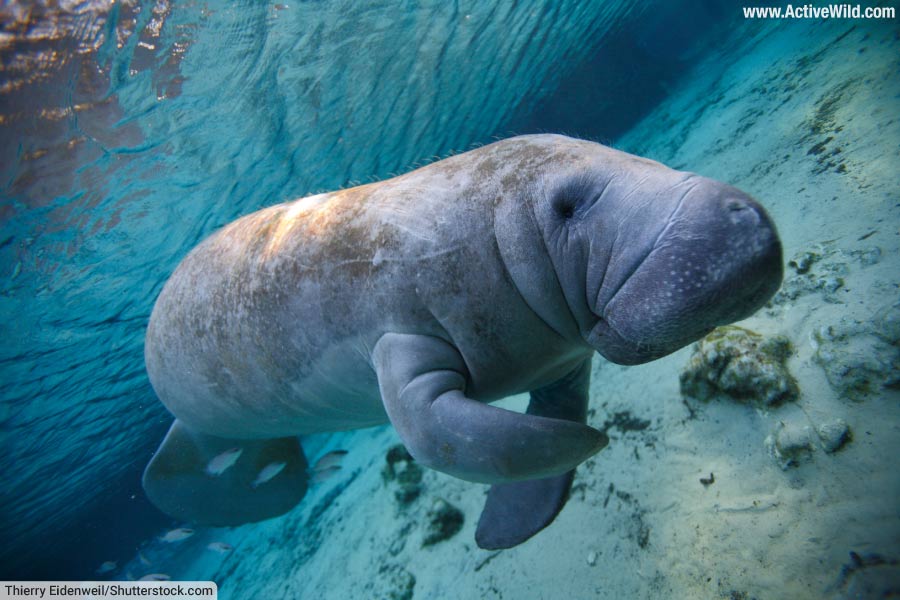
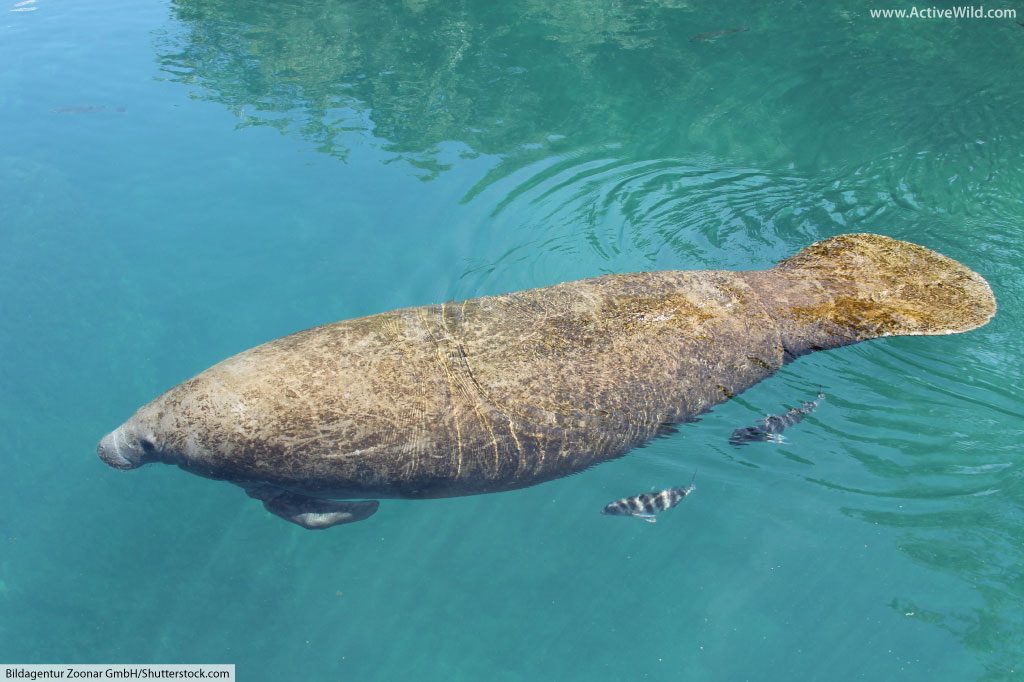
Commonly known as “sea cows,” West Indian manatees are marine mammals that frequent Florida’s coastal waters and warm freshwater springs. Their slow-moving nature and herbivorous diet influence aquatic vegetation dynamics.
Manatees are a prominent species in Florida’s wildlife and are often observed during winter gatherings in warm springs.
Key Deer
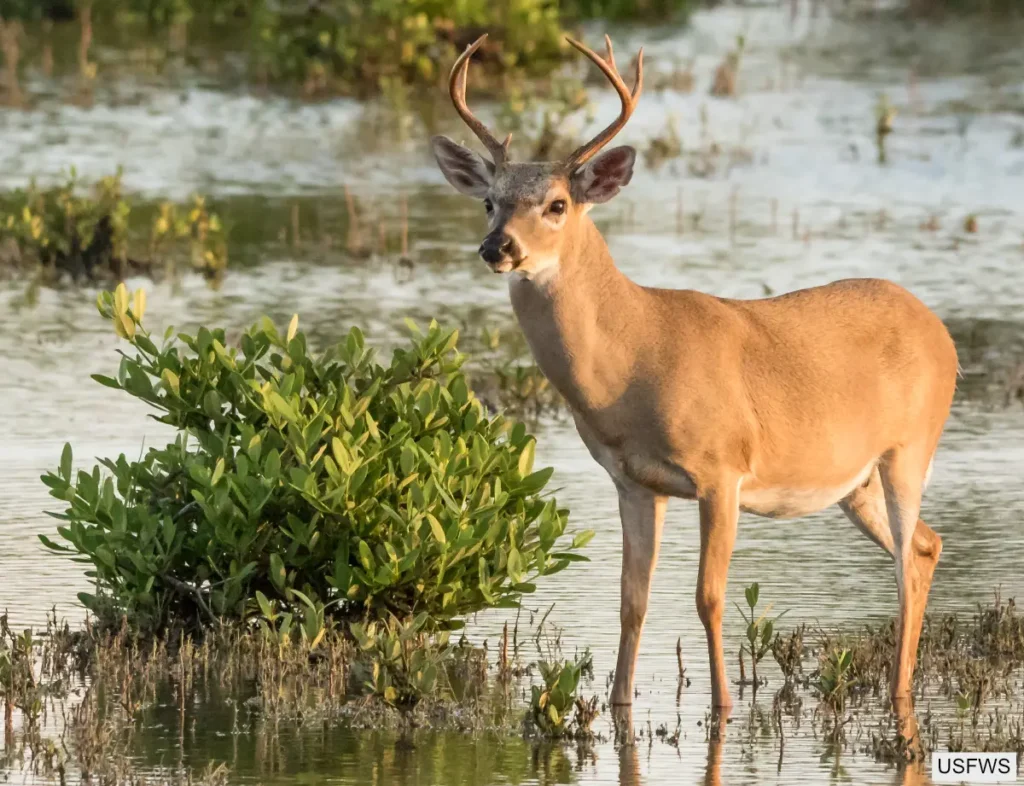
The Key deer is a diminutive subspecies of white-tailed deer found exclusively in the Florida Keys. Its small size is an adaptation to the limited resources of island habitats.
The species is emblematic of the unique evolutionary processes occurring in Florida’s insular environments.
Reptiles
- You can see a list of Florida snakes on this page: Florida Snakes
American Alligator
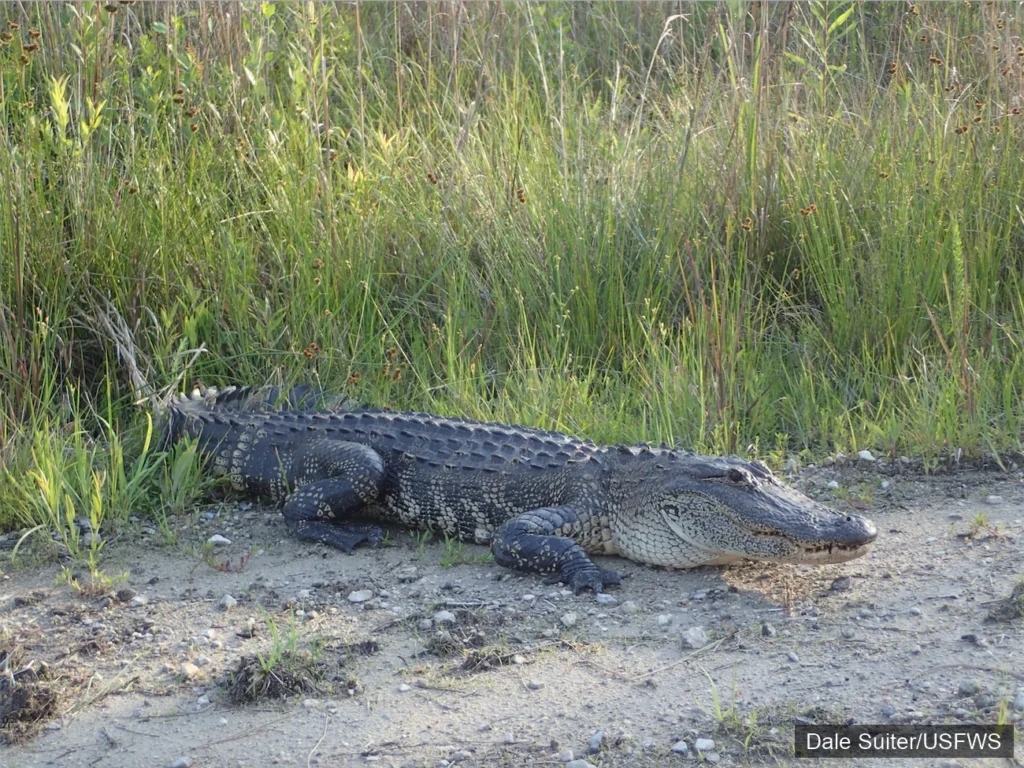
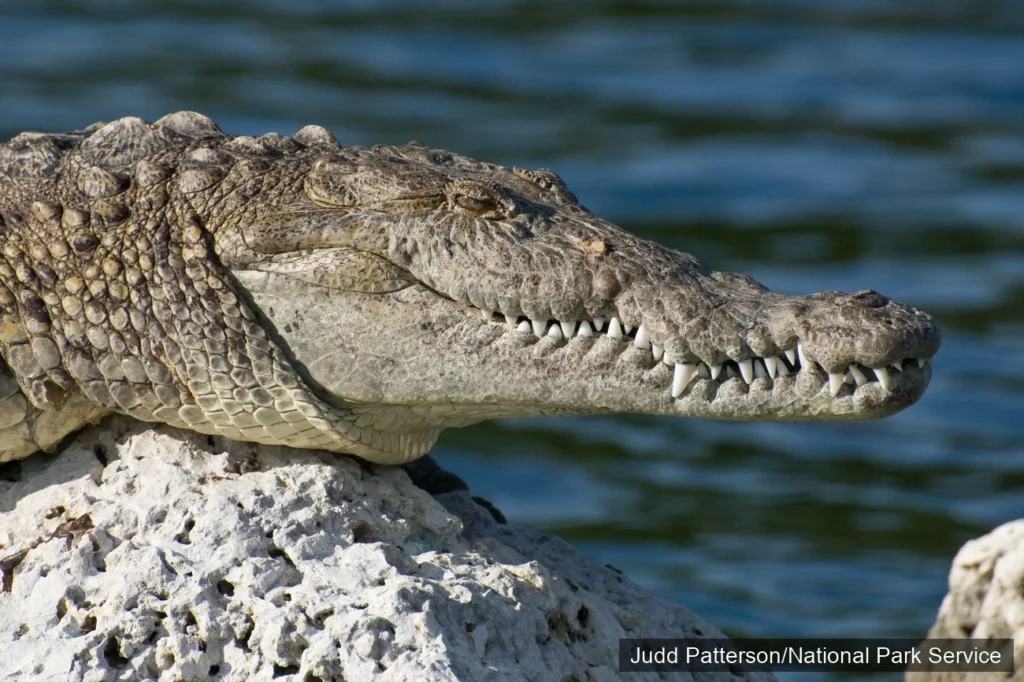
The American alligator is perhaps the most emblematic reptile associated with Florida. It inhabits freshwater wetlands, lakes, rivers, and swamps throughout the state.
Recognized as Florida’s state reptile, the alligator functions as an apex predator, shaping wetland community structures and maintaining ecosystem health.
Gopher Tortoise
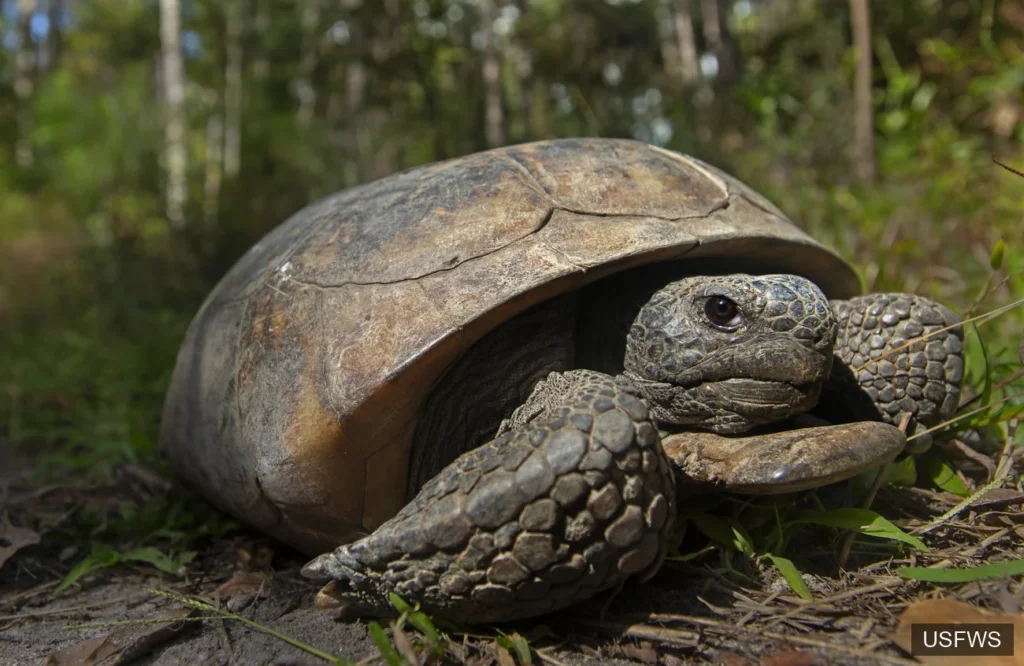
Designated as the state tortoise, the gopher tortoise is notable for its burrowing behavior, which creates shelter used by numerous other species. It inhabits upland habitats such as pine flatwoods and scrub, contributing to the biodiversity of these environments.
Loggerhead Sea Turtle
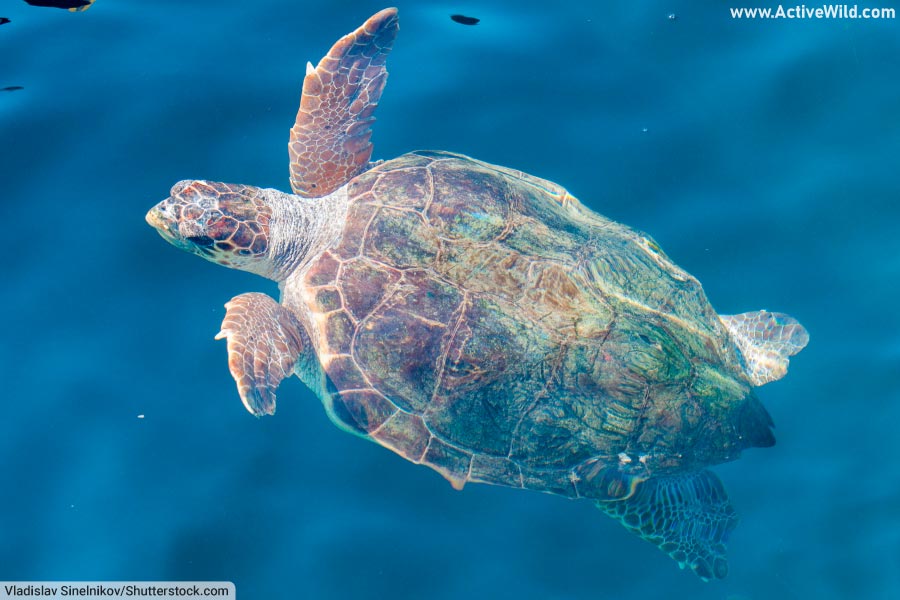
The loggerhead sea turtle, Florida’s state saltwater reptile, is a significant marine species that nests on Florida’s beaches. Its nesting activities are critical to the reproductive success of the species and are a focus of conservation efforts.
Other sea turtle species that nest in Florida are the Green sea turtle, Leatherback sea turtle, and, more rarely, the Kemp’s ridley sea turtle and Hawksbill sea turtle.
Birds
- You can see a larger, illustrated list of Florida bird life on this page: Florida Birds
Roseate Spoonbill
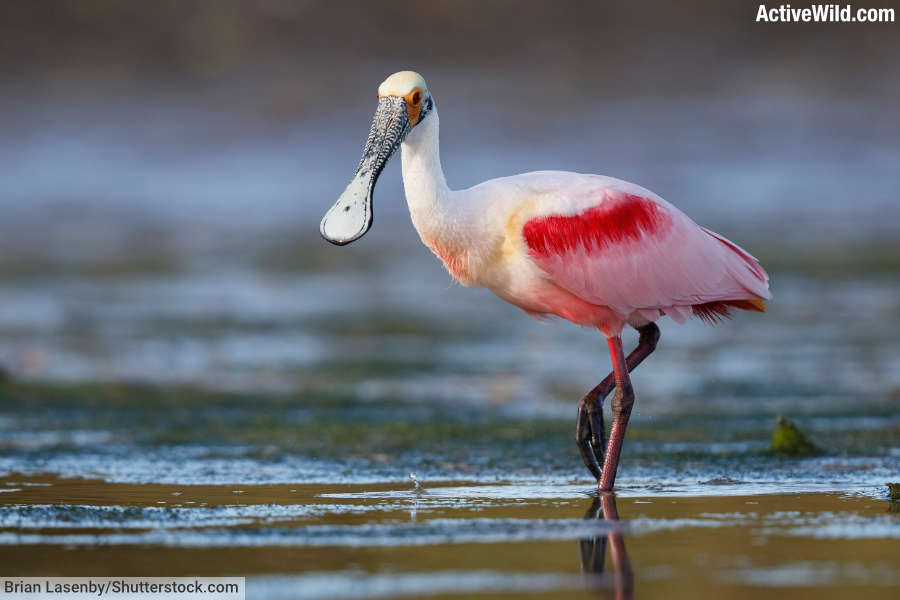
The roseate spoonbill is a visually distinctive pink wading bird often mistaken for a flamingo. Its spoon-shaped bill is specialized for feeding in shallow waters. This species is among the most recognizable birds in Florida’s wetland habitats.
Northern Mockingbird
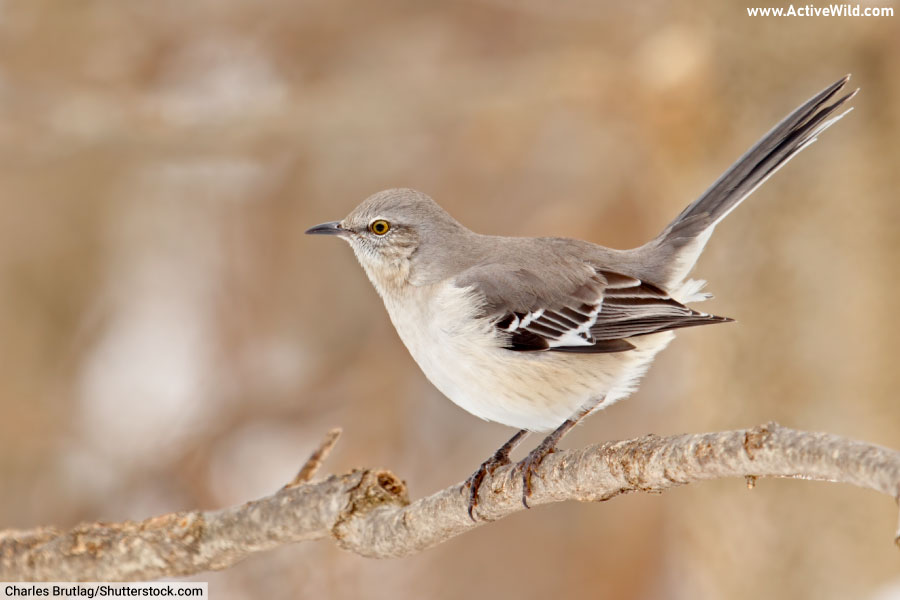
The northern mockingbird, Florida’s state bird, is widespread across the state. Known for its vocal mimicry, it occupies a range of habitats from urban areas to forests and wetlands.
Insects
Zebra Longwing

The zebra longwing butterfly is Florida’s state butterfly and insect. It is recognized for its elongated wings with black and yellow stripes. This species plays a role in pollination and is a common sight in Florida’s subtropical environments.
Other Iconic Species
American Flamingo
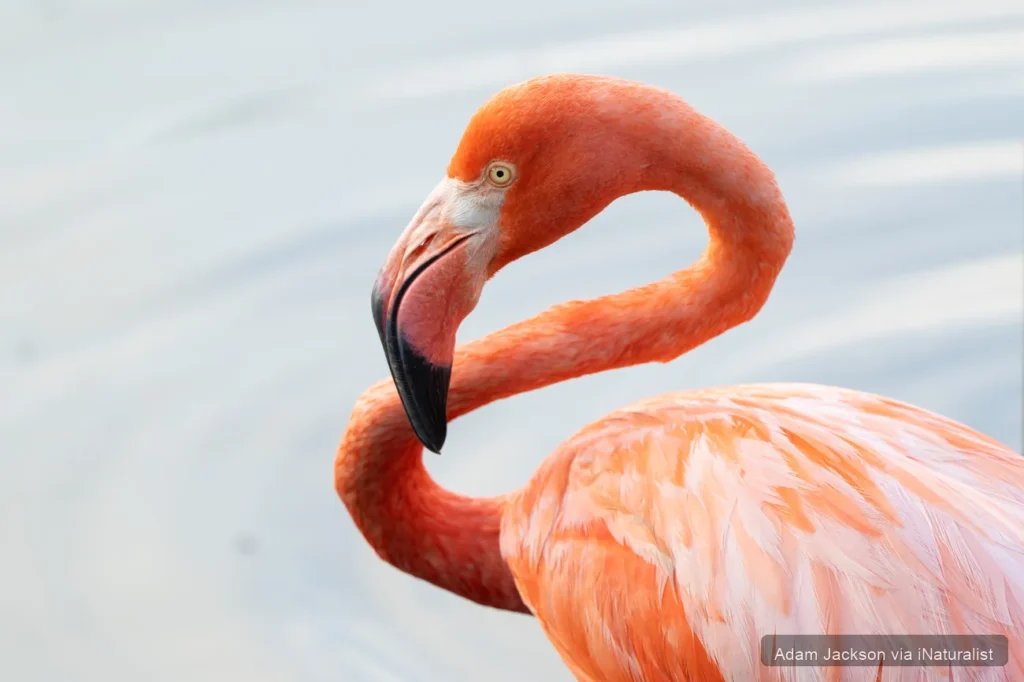
American flamingos are increasingly acknowledged as native to Florida, especially in southern coastal wetlands. Their presence adds to the diversity of wading birds and reflects the subtropical character of these habitats.
Florida Largemouth Bass and Atlantic Sailfish
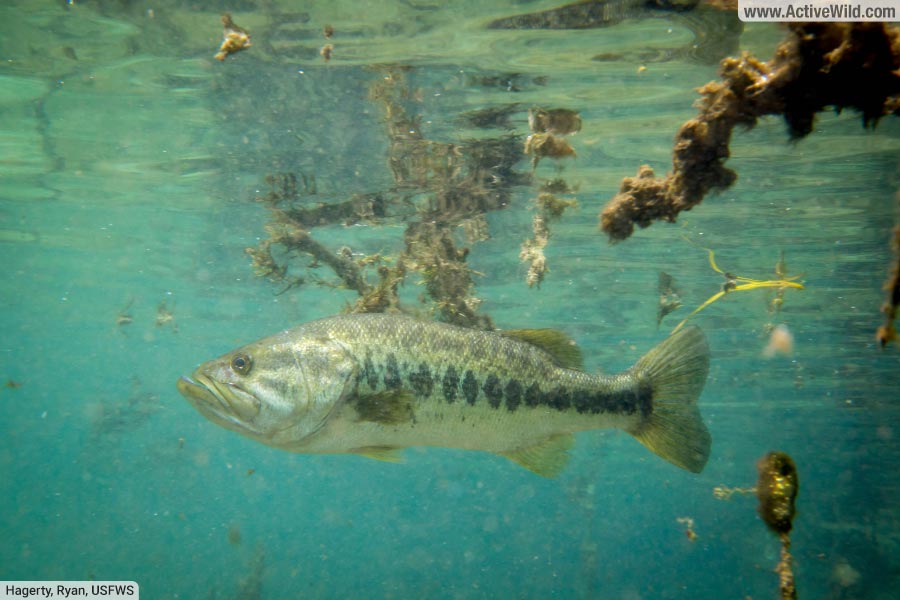
Florida designates the Florida bass as its state freshwater fish and the Atlantic sailfish as its state saltwater fish. Both species are important to freshwater and marine ecosystems, respectively, and are significant to recreational fishing industries.
Wildlife Migrations and Seasonal Nature Events in Florida
Florida’s seasonal climate and diverse habitats support several notable wildlife migrations and ecological events.
The sea turtle nesting season is a critical period when multiple species of turtles come ashore to lay eggs, primarily along Florida’s beaches.
Manatee winter gatherings occur as thousands of West Indian manatees migrate to warm freshwater springs such as those at Crystal River, seeking refuge from colder ocean temperatures.
In the Everglades, the dry season causes water levels to recede, concentrating fish into smaller pools. This phenomenon attracts large congregations of wading birds, including herons, egrets, ibises, and spoonbills, producing one of the region’s most significant feeding events.
Best Places to Experience Nature in Florida
Everglades National Park
Everglades National Park encompasses the largest subtropical wilderness in the United States. It features sawgrass marshes, mangrove forests, and diverse wildlife, including alligators and a variety of bird species. Visitors can explore the park via airboat tours, kayaking trails, and designated wildlife viewing areas, providing opportunities to observe Florida’s characteristic ecosystems firsthand.
Biscayne National Park
Situated just south of Miami, Biscayne National Park is predominantly underwater, protecting coral reefs, mangrove forests, and shallow bays. This park offers a window into Florida’s marine environments and supports a wide range of aquatic species, making it an important site for marine conservation and education.
Big Cypress National Preserve
Big Cypress National Preserve safeguards extensive cypress swamps and freshwater wetlands. The preserve provides habitat for alligators, wading birds, orchids, and occasionally the elusive Florida panther. Its diverse habitats contribute significantly to the ecological complexity of southern Florida.
Conclusion
Florida’s natural environment is characterized by a variety of ecosystems that support a rich assemblage of wildlife. From the expansive wetlands of the Everglades to the coastal mangroves and coral reefs, the state presents a complex ecological landscape.
Iconic species such as the Florida panther, American alligator, and West Indian manatee illustrate the diversity and ecological significance of Florida wildlife. Seasonal events and migrations further highlight the dynamic nature of these habitats.
For those seeking to understand or experience Florida nature, protected areas like Everglades National Park, Biscayne National Park, and Big Cypress National Preserve offer invaluable opportunities to engage with the state’s natural heritage.
Further Reading
Discover more about Florida on the following pages: