
Wild horses are members of the horse family Equidae that have not been domesticated. The term is also used to describe feral horses – animals that live in the wild, but which are descended from domestic horses.
On this page is a list of all living wild horses, including asses and zebras. The list also includes domestic species such as the domestic horse and donkey.
A list of the world’s scariest animals! On this page, you’ll find pictures and information on creepy creatures from around the world, including mammals that drink blood, reptiles with venomous saliva, birds with terrifying calls, lizards that squirt blood from their eyes, and arachnids with freakishly large mouthparts!
The Galápagos Islands are located in the Pacific Ocean, about 600 miles (970 kilometers) west of mainland Ecuador.
Due to their remote location, the Galapagos Islands are home to a large number of endemic animals; animals that are found nowhere else on Earth.
During his visit to the Galápagos Islands in 1835, naturalist Charles Darwin studied the islands’ unique animals, which provided inspiration for his groundbreaking theory of natural selection.
Today, the islands’ wildlife attracts a large number of visitors. Income from ecotourism is an important part of the local economy.
On this page, we explore some of the Galápagos Islands’ most iconic species. All of the animals featured on this page are endemic to the islands unless specified.
Watch the video below to see some of the amazing endemic species of the Galápagos Islands:
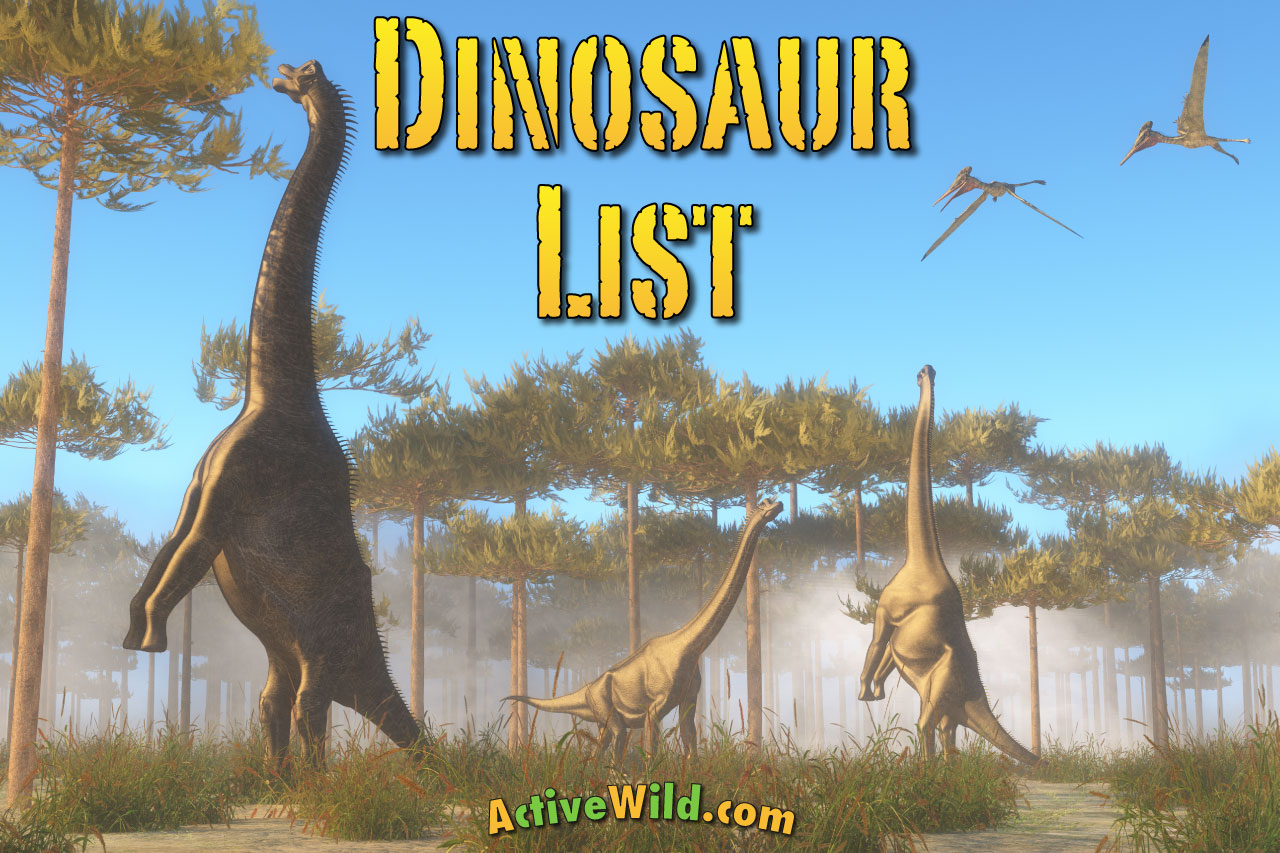
Many different types of dinosaurs have been discovered, but only a relatively small number of these have become household names. On this page, we provide a list of the most popular dinosaurs.
Watch the video below to find out about some of the dinosaurs on the list:
A list of prehistoric sea creatures, including animals that inhabited the world’s oceans before, during, and after the age of the dinosaurs. Read on to discover amazing prehistoric ocean animals such as plesiosaurs, ichthyosaurs, pliosaurs, mosasaurs and ammonites.
Keystone species are species that hold an ecosystem together; without them, the ecosystem wouldn’t function. Some keystone species are predators, some are herbivores, but whatever their place in the food chain, all of the other species in the ecosystem rely on them.
On this page are examples of keystone species from ecosystems in different parts of the world.
Safari animals include the iconic “Big Five” consisting of the lion, African elephant, leopard, rhinoceros and African buffalo, together with other African species such as antelopes, baboons, zebras, hyenas, crocodiles, ostriches and vultures.
On this page is a list of African safari animals, with pictures and interesting facts on each species. Whether you’re planning a safari trip yourself, or are simply interested in the incredible variety of life in Africa’s savannas, this page will help you find out more about some of the world’s most incredible animals.
On this page, you can listen to many different animal sounds and discover why being able to make and hear sounds is a vital part of the lives of many different types of animals.