
Are Whales Mammals? And If So, Why? Amazing Whale Facts

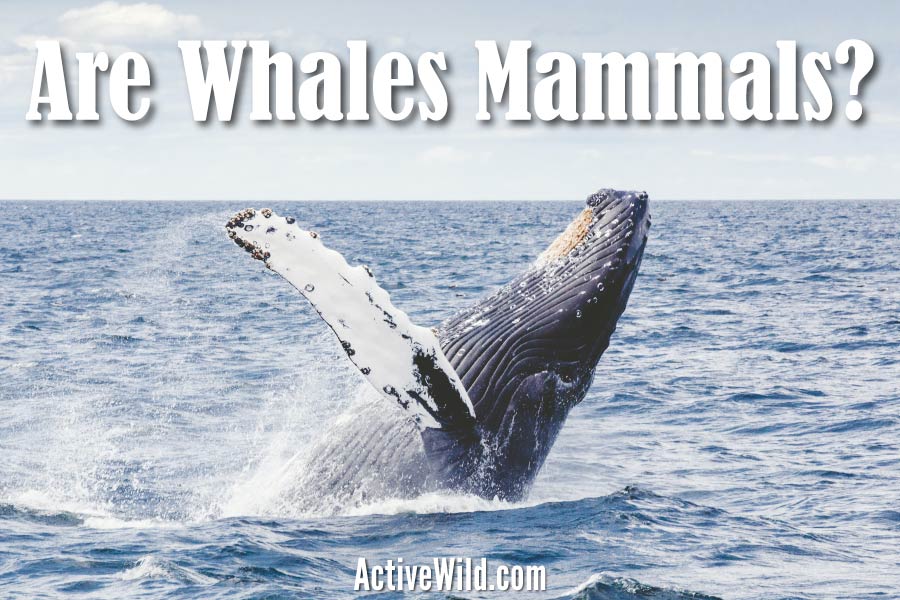
Are whales mammals

Are Whales Mammals?

Yes, whales are mammals whose bodies have evolved for an aquatic existence. Despite having flippers and a tail rather than arms and legs, whales possess all of the characteristics of mammals, and are related to land mammals such as hippos.

In order to prove this, we need to take a deeper dive into what makes a mammal a mammal, and how the land-living ancestors of whales eventually evolved into fully-aquatic animals…

Read more

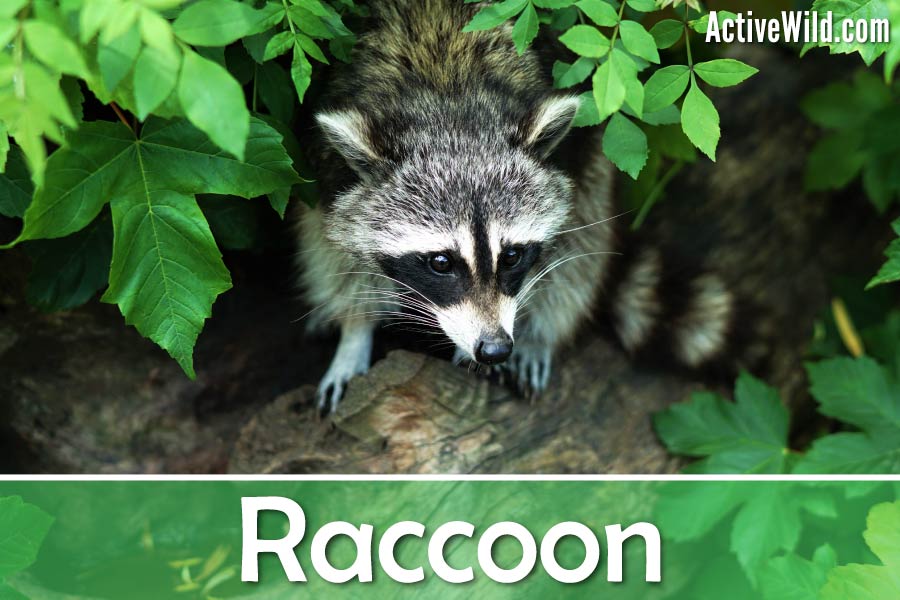
Raccoon Facts, Pictures & Information: Discover An Adaptable, Nocturnal North American Mammal

Raccoon Facts

The raccoon is a mid-sized mammal that is widespread throughout much of North America. It is a member of the carnivoran family Procyonidae, which also includes animals such as coatis and ringtails. The raccoon originally lived in forests, but this adaptable animal is today found in a wide variety of additional habitats, including urban environments.

Read more

Gray Fox Facts. Discover A Common (But Elusive) Nocturnal American Canid

Gray Fox Facts

The gray fox is a small, omnivorous, new world fox species belonging to the family Canidae (the dog family). Sometimes known as the “tree fox” or “cat fox”, the gray fox is one of only two canid species that can climb trees.

Although the gray fox is fairly common, it is elusive and can prove difficult to spot in the wild. It is widespread across North and Central America and is found from southern Canada all the way down to Venezuela and Columbia.

Read more

Temperate Rainforest Biome Facts, Pictures And Information: A Complete Guide To Temperate Rainforests

temperate rainforest biome facts

The temperate rainforest biome encompasses rainforests found between the tropics and the polar regions of both the northern and southern hemispheres.

Although not as biodiverse as tropical rainforests, temperate rainforests are nevertheless highly-valuable habitats for countless animal and plant species, many of which are found nowhere else on Earth.

On this page you’ll find out about the temperate rainforest biome, and the animals and plants that call these forests home…

Read more

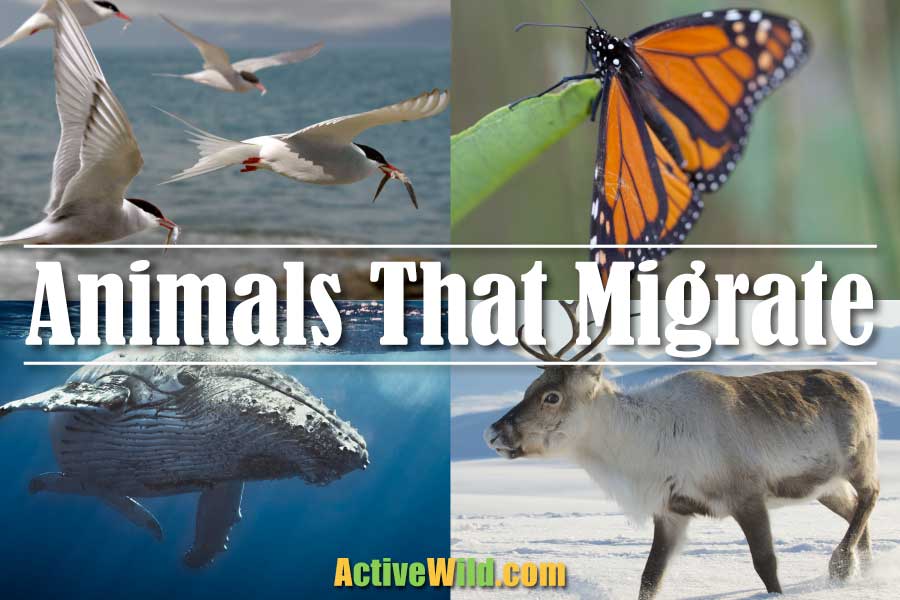
Animals That Migrate: A List Of Migratory Animals With Pictures & Facts

Animals That Migrate

Examples of animals that migrate include the gray whale, caribou, monarch butterfly, Arctic tern, bar-tailed godwit, Canada goose, Chinook salmon, leatherback sea turtle and blue wildebeest. The best-known and most visible migratory animals are birds, but mammals, reptiles and even insects and amphibians all have migratory species.

On this page is a list of some of the best-known animals that migrate, together with facts about animal migration…

Read more

When Did Humans First Appear On Earth?

when did humans first appear

Humans first appeared on Earth at least 315,000 years ago. This figure is based on fossil remains found in Jebel Irhoud, Morocco – the earliest-known remains of modern humans.

The exact time humans first appeared is difficult to judge because species don’t come into being overnight. Rather, they change and evolve slowly from ancestral species.

Because the first human remains date back to around 315,000 years ago, our species will therefore have appeared some time before this. DNA evidence from human chromosomes indicates that humans (scientific name: Homo sapiens) may have first appeared more than half a million years ago.

Read more

North American Animals List. Pictures & Facts On The Iconic Animals Of North America, With FREE Printable Worksheet

North American Animals

Iconic North American animals include the American bison, bald eagle, American alligator, grizzly bear, mountain lion, monarch butterfly, wolf, coyote, groundhog, roadrunner, moose, raccoon and bobcat.

On this page is a North American animals list with pictures and facts on each species. Follow the links for further information on particular animals.

Read more

What Is Biology About & Why Biology Is Important

What Is Biology About

What Is Biology About?

Biology is the study of biota – living things. This includes humans, animals, plants, bacteria and viruses, together with their constituent parts (cells, organs, etc.). Biology also includes the study of the non-living components of living things, such as DNA, proteins and carbohydrates.

Like all science, biology is driven by curiosity. Biologists explore questions like:

Read more