
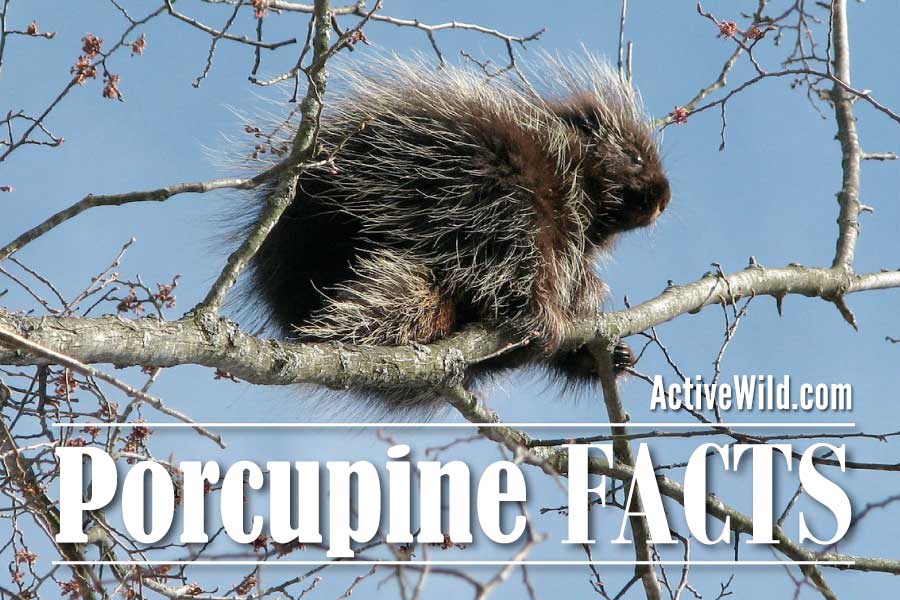
Fun facts on porcupines: find out where these quilled rodents live, what they eat, how they defend themselves and much more…
 Active Wild Admin
Freshwater Biome Facts. Discover The World’s Freshwater Habitats

Freshwater habitats such as rivers, lakes and wetlands are extremely important for life on Earth. They provide a home for countless animal and plant species and supply us with water and food. This page contains freshwater biome facts together with information on the main freshwater habitats…
North American Animals List. Pictures & Facts On The Iconic Animals Of North America, With FREE Printable Worksheet
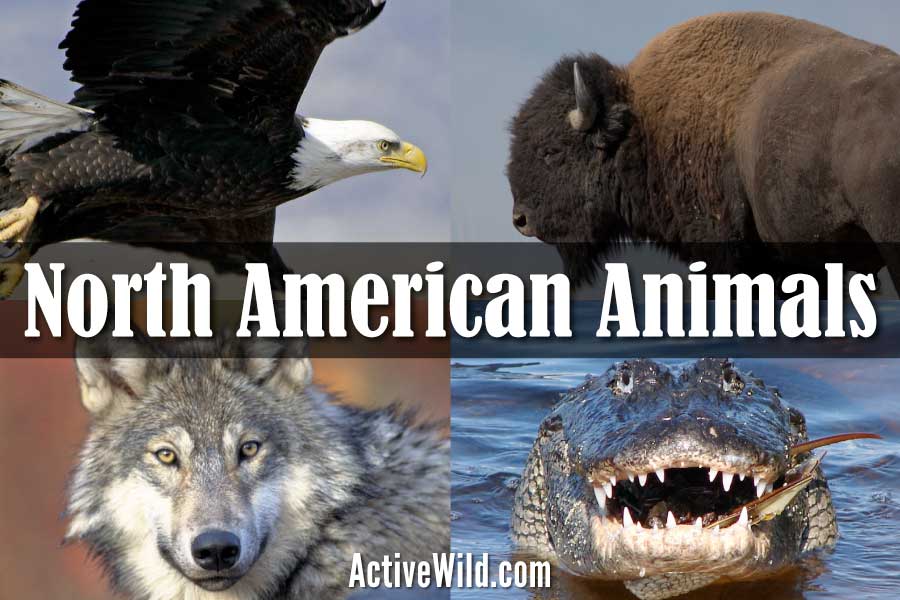
Iconic North American animals include the American bison, bald eagle, American alligator, grizzly bear, mountain lion, monarch butterfly, wolf, coyote, groundhog, roadrunner, moose, raccoon and bobcat.
On this page is a North American animals list with pictures and facts on each species. Follow the links for further information on particular animals.
North American Porcupine Facts: Discover North America’s Second-Largest Rodent
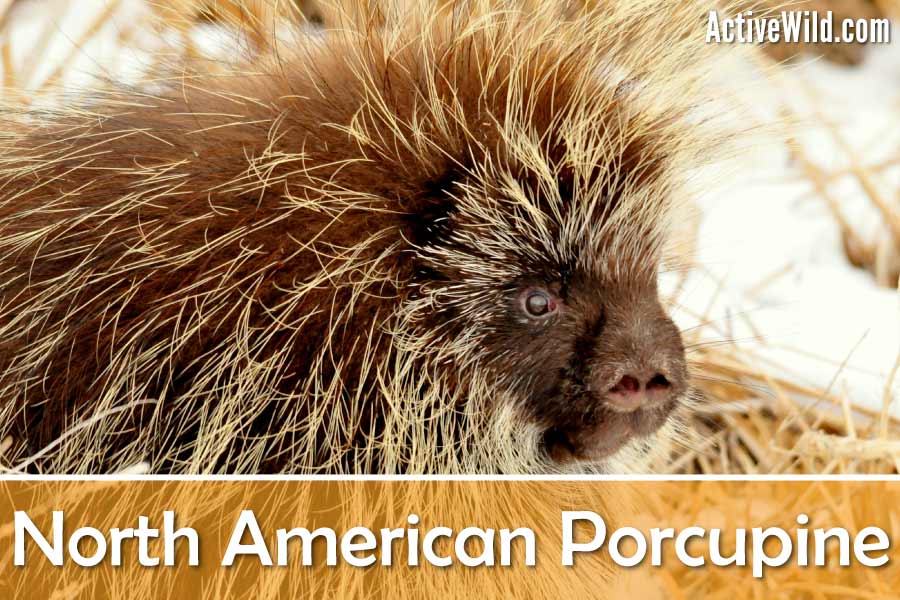
The North American porcupine is the second-largest rodent found in North America (the largest is the North American beaver). This slow-moving mammal spends much of its life in the trees, and is mainly active at night. Like all porcupines, the North American porcupine has a coat of sharp quills. The quills, which are actually modified hairs, serve as a defense against predators.
Read on for more North American porcupine facts…
North American Bird ID Quiz App For Android: Available Now From The Play Store
The North American Bird ID Quiz app is a great way to improve your bird identification skills and test your bird knowledge.
Download the app today and discover the amazing birds of North America!
Nine-Banded Armadillo Facts, Pictures & In-Depth Information
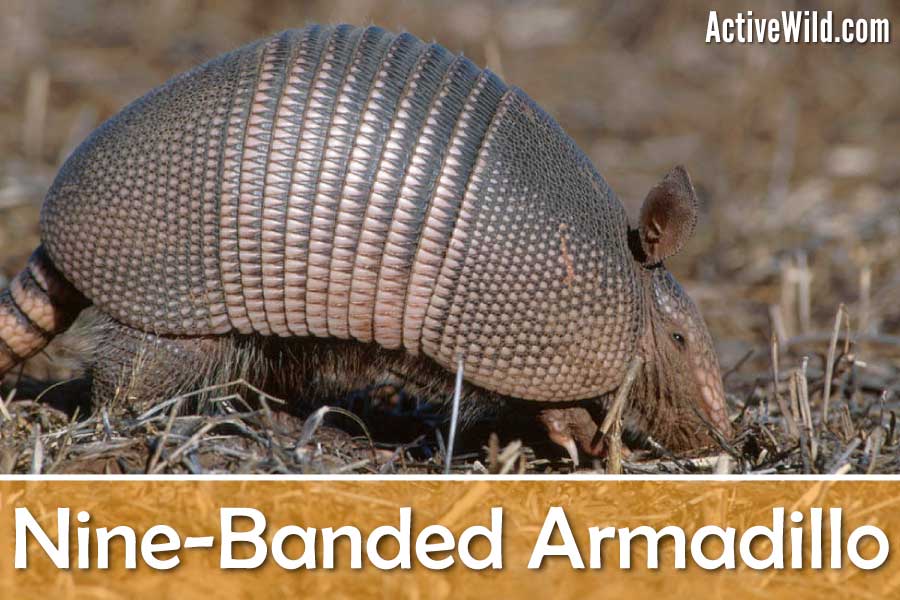
The nine-banded armadillo Dasypus novemcinctus is a mid-sized burrowing mammal with flexible, bone-plated armor covering its head, back and tail. The species, one of 21 living armadillos, is found in South, Central, and southern North America, and is the only armadillo regularly found in the USA.
Read on for nine-banded armadillo facts, pictures and in-depth information…
Bighorn Sheep Facts: Discover The Largest Sheep Native To North America
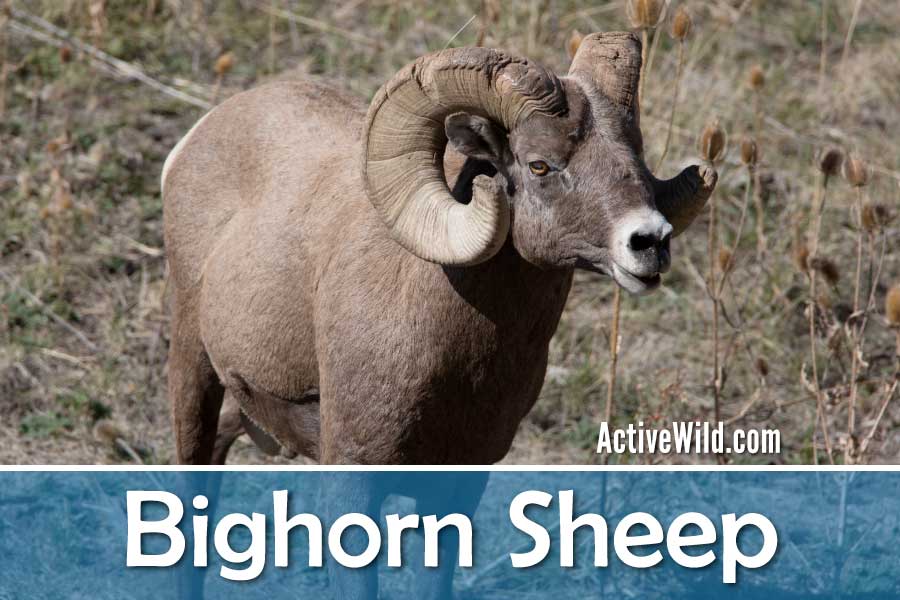
The bighorn sheep Ovis canadensis is the largest wild sheep native to North America. The species gets its name from the massive, curled horns of the male, which are used to fight other males in order to establish dominance within a herd. The sound of the crashing horns of battling bighorns can be heard from up to a mile away.
This iconic North American mammal is usually found in rugged, rocky terrain. Its specially-adapted hooves allow it to traverse the steep cliffs and make leaps from ledge to ledge with apparent ease.
The bighorn sheep is the state mammal of both Colorado and Nevada, and the provincial mammal of Alberta.
Continue reading for more bighorn sheep facts, pictures and information…
American Alligator Facts, Pictures & In-Depth Information
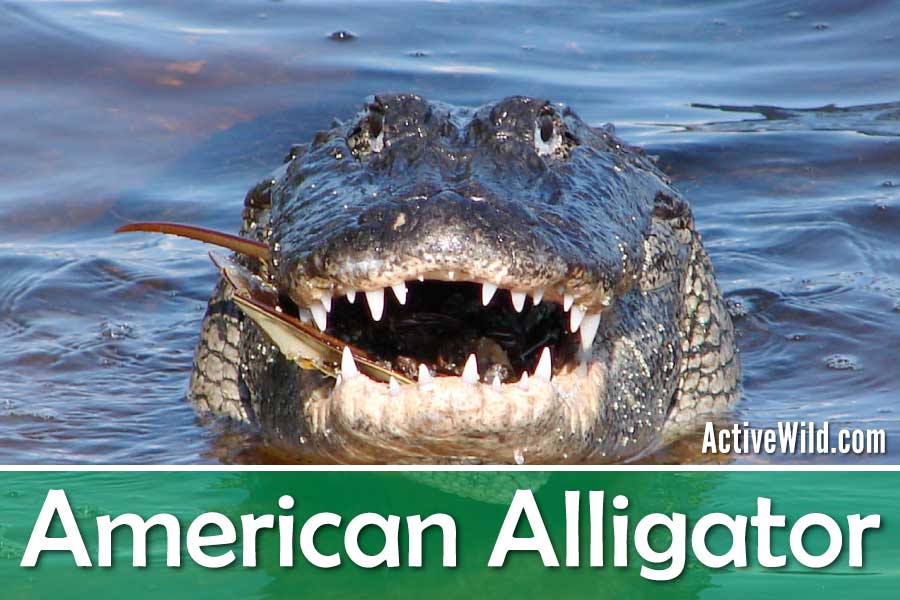
The American alligator (Alligator mississippiensis) is large predatory reptile found across the southeastern United States from North Carolina to the Rio Grande. This iconic American species is the state reptile of Florida, Louisiana and Mississippi. It inhabits hot wetlands and is present in the Florida Everglades and the Mississippi Delta regions of the United States.
This page contains facts, pictures and in-depth info on the American alligator. Be sure to watch the video of an adult male bellowing!
Flying Squirrels Facts: Meet The Gliding Rodents Of North America!
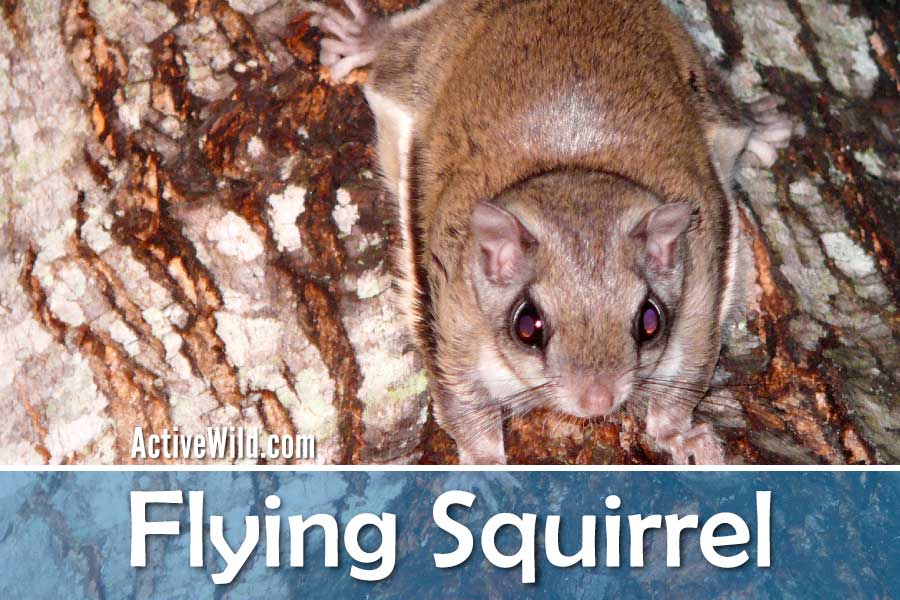
Flying squirrels are true squirrels, but they don’t actually “fly”. Instead these ingenious rodents glide from tree to tree, using a membrane of thick skin stretched between their arms and legs to slow and control their fall.
On this page you’ll find amazing facts on the three flying squirrels found in North America.
American Badger Facts, Pictures & In-Depth Information
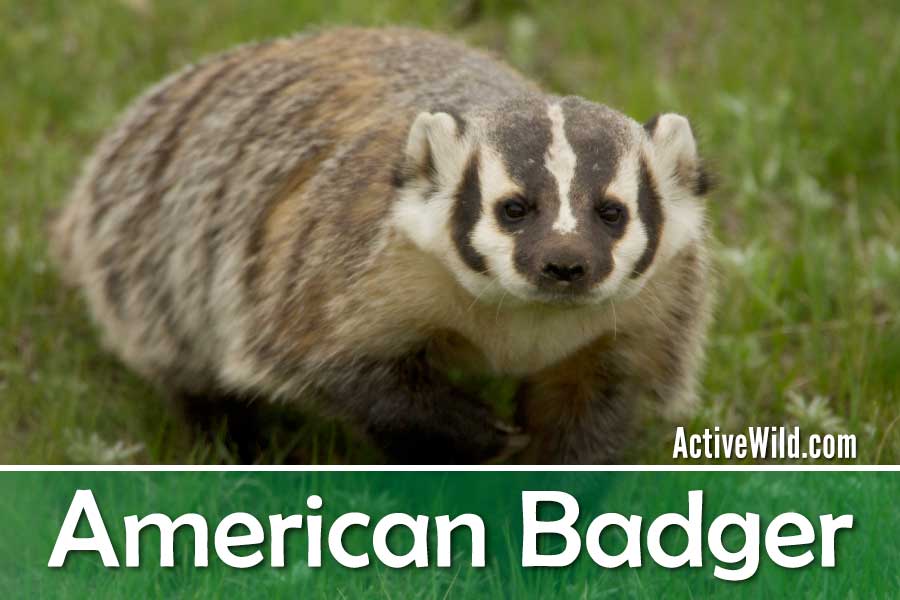
American badger facts, pictures and information. Get the lowdown on this North American grassland predator…
Rodent Facts: The Ultimate Guide To The Order Rodentia
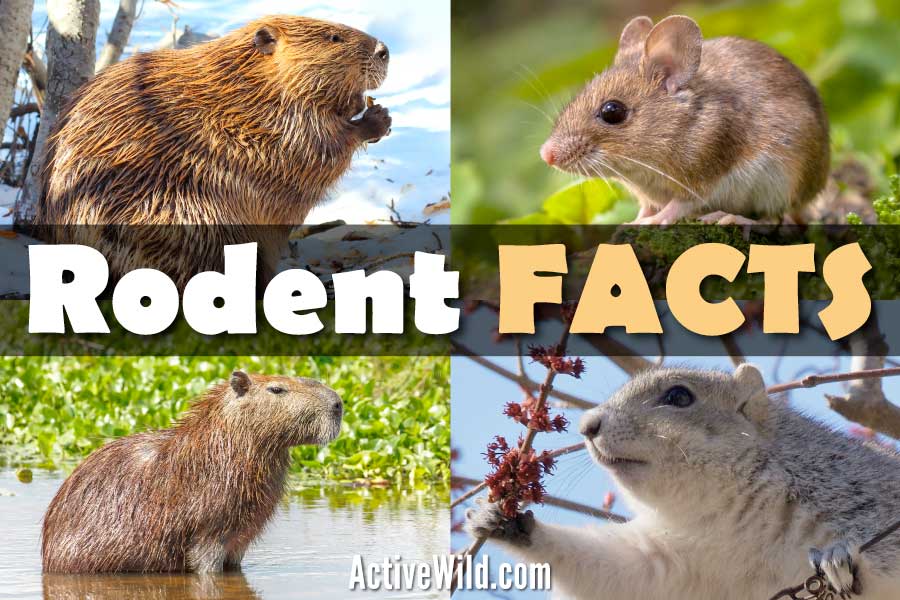
As the old saying goes, you’re never more than six feet away from a rat, and there is probably some truth in that statement; rodents–the group of mammals that includes rats and mice–are a hugely successful group of animals. Rodents are found–often in large numbers–in a wide range of habitats and on every continent except Antarctica.
On this page you’ll find rodent facts and information that will provide you with an excellent introduction to these fascinating animals…