
Mosasaurs were the dominant marine predators of the late Cretaceous Period. With long jaws and powerful tails, they looked like a cross between a crocodile and a whale. Some mosasaurs were as big as whales, too–at 30-60 feet, the largest species were longer than all but the largest modern whales.
American Bison Facts, Pictures & Information: Discover The National Mammal of the United States
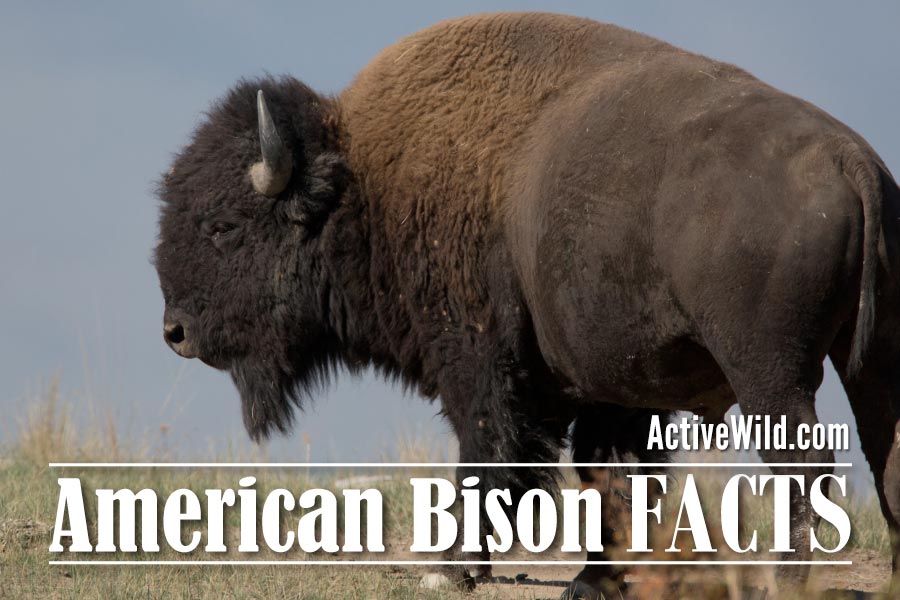
North America has plenty of famous mammals: the towering moose, the nimble flying squirrel, the blisteringly fast pronghorn–but the most iconic by far is the American bison (scientific name: Bison bison). This huge mammal–the largest North American land animal by weight– is the National Mammal of the United States.
The Forest Biome Facts, Pictures & In-Depth Information

The world’s forests are home to a staggering number of plants and animals. Forests also perform many important ecological functions, including the production of much of the oxygen we breathe.
On this page you’ll find out about the forest biome and the world’s forests…
The Chaparral Biome Facts, Pictures & In-Depth Information

The chaparral biome facts, pictures and in-depth information. Find out what the chaparral is, where it’s found, and the animals and plants that call it home…
Gray Wolf Facts, Pictures & Information. Discover One Of The World’s Best-Known Predators
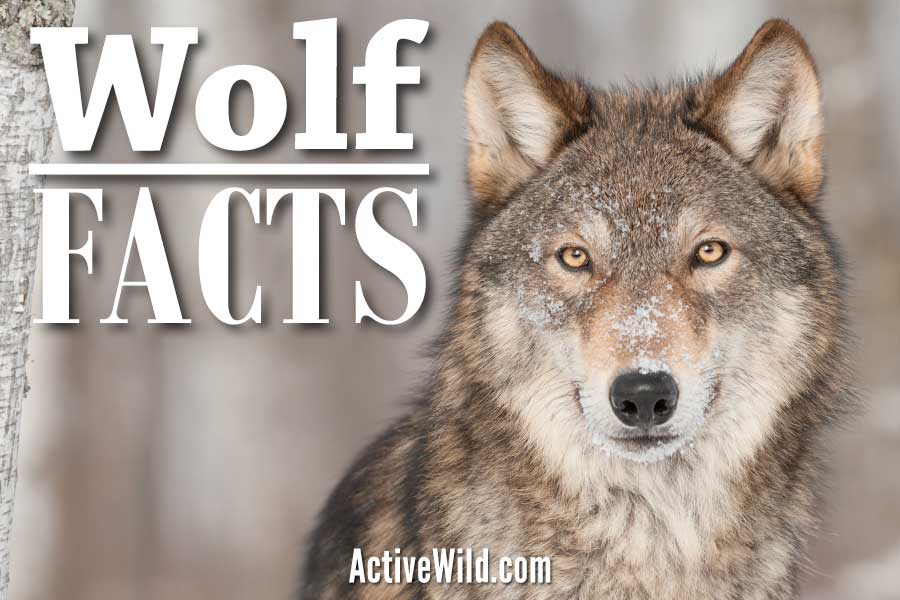
Gray wolf facts, pictures and information: discover the characteristics, behavior and ecology of one of the world’s best-known predators…
Bat Facts: The Ultimate Guide To Bats, Characteristics, Types, Ecology
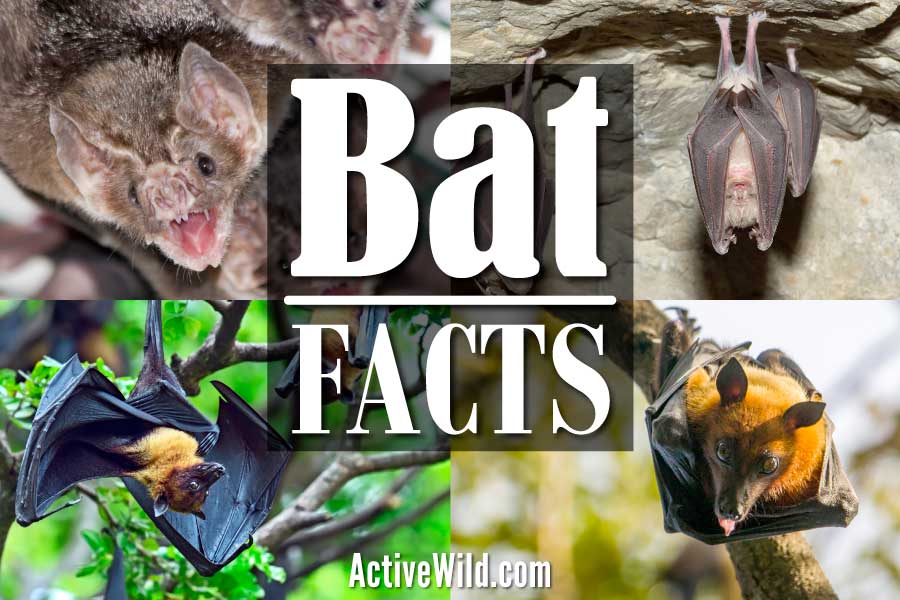
Bat facts: fun facts on bats, including bat characteristics, behavior, diet and ecology.
Representing an incredible 20% of all mammal species, bats are the world’s only flying mammals. On this page you’ll find a complete introduction to the lives and behavior of these unique animals…
North American Deserts: Facts On The Four Major Deserts Of North America
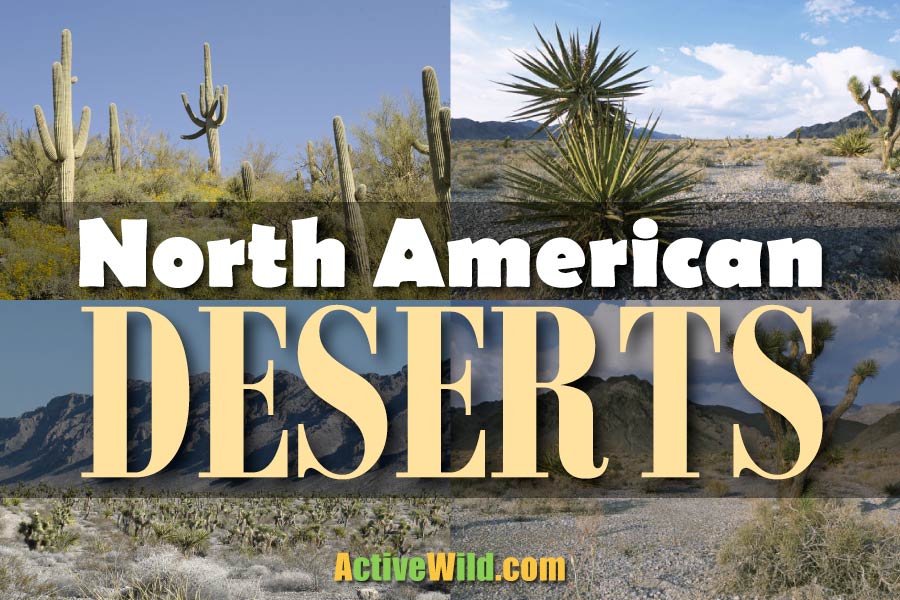
Facts on North American deserts, and the animals and plants that call the deserts of North America their home.

The Desert Biome: Facts, Characteristics, Types Of Desert, Life In Desert Regions
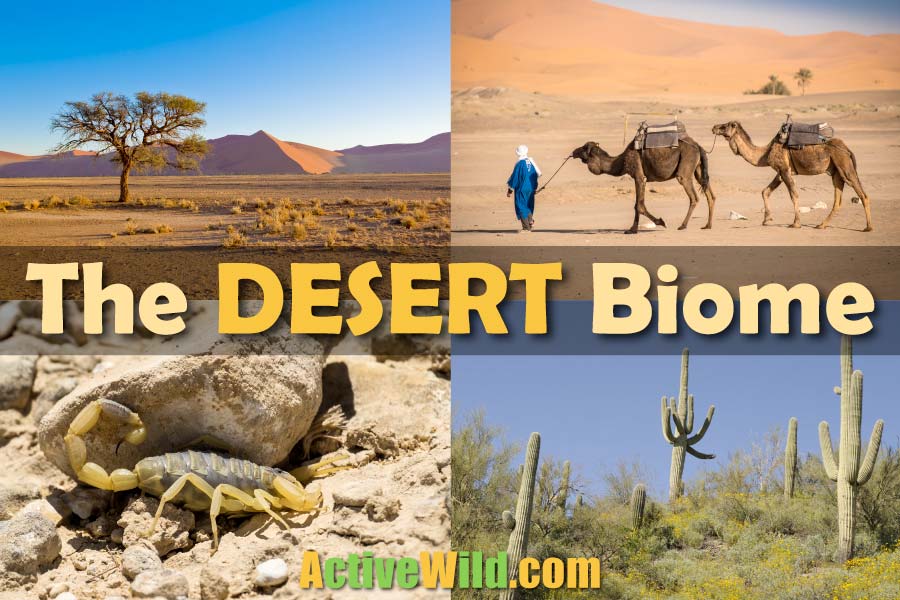
What is the desert biome?
The desert biome is the characteristic community of animals and plants found in the world’s deserts. Deserts are found on every continent and make up around 30 percent of the earth’s surface. The main characteristic of deserts is a shortage (or complete lack of) precipitation; some desert regions go for years on end without rain. Other characteristics of deserts include extremes of temperature and very little plant growth. The desert biome consists of species able to live in these inhospitable conditions.
Since both plants and animals need water (and consist mostly of water), it seems logical that there would be little or no life in the world’s most arid regions. Yet deserts support an array of organisms that, due to a variety of remarkable and ingenious adaptations, are able to survive in this unforgiving habitat.
On this page you’ll find facts on the desert biome, including: desert characteristics, the different types of desert, and the typical animal and plant species found in deserts.
Types Of Snakes: Well-Known Snake Families & Notable Species, With Pictures & Facts
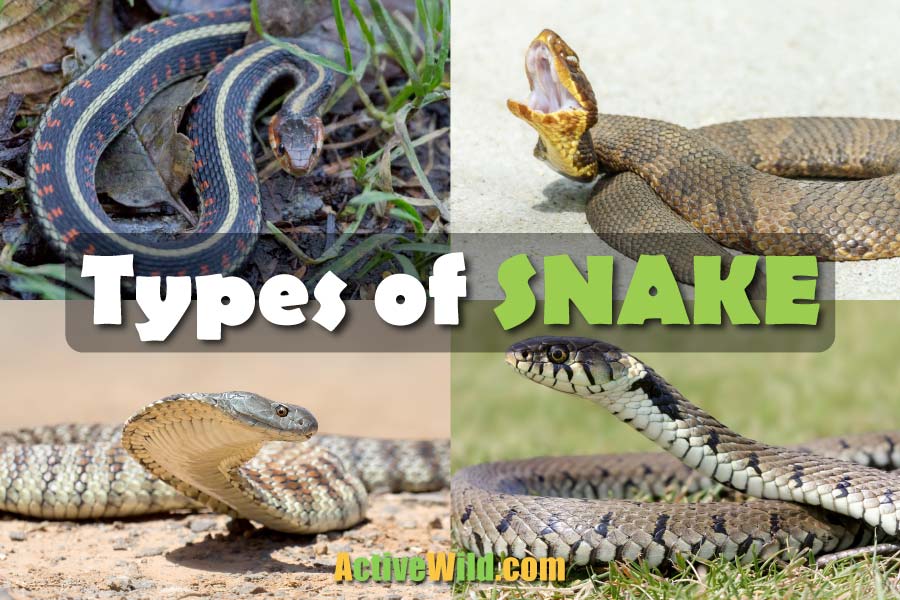
Types of snakes include: constrictors such as pythons and boas; venomous snakes such as vipers and elapids; and non-venomous predators such as colubrids.
Notable snake species include the reticulated python (the world’s longest snake), the Mojave rattlesnake (one of North America’s most dangerous snakes), and the inland taipan, the world’s most venomous snake.
On this page you’ll discover the different types of snakes within the suborder Serpentes (the animal group in which all snakes are found)…
The Marine Biome: Facts, Pictures, Ecosystems, Species & Threats
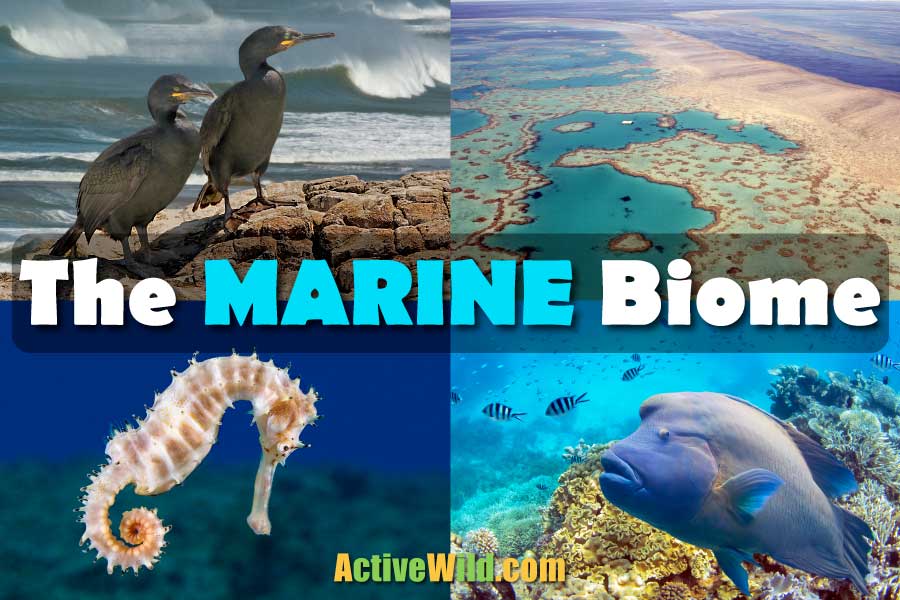
The Marine Biome is the largest biome, and one of the most important in terms of biodiversity. On this page you’ll find an introduction to the marine biome and to the various ecosystems it contains.