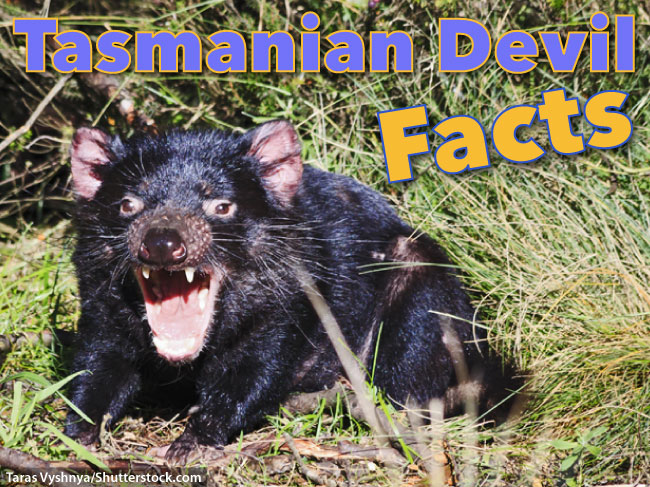
This page contains Tasmanian Devil facts for kids and adults and is part of our Australian Animals series. Read on to find out about this fierce little marsupial.
A quick list of Tasmanian Devil facts for kids can be found at the end of the article.
This page contains Tasmanian Devil facts for kids and adults and is part of our Australian Animals series. Read on to find out about this fierce little marsupial.
A quick list of Tasmanian Devil facts for kids can be found at the end of the article.
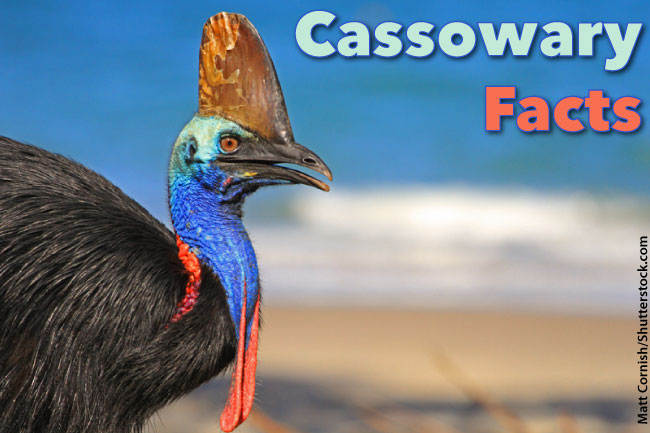
This article contains cassowary facts for kids and adults, and is part of our Australian Animals series.
On this page we’ll learn all about this large (and occasionally aggressive) flightless Australian bird.
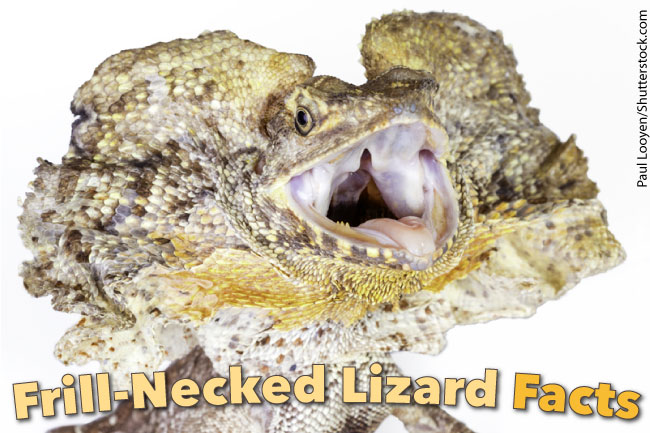
This page contains Frill-Necked Lizard facts for kids and adults, and is part of our Australian Animals series. Want to know what a Frill-Necked Lizard looks like, where it lives, what it eats … and what eats it? Read on to find out all of this and much more …
(Don’t forget to watch the video of a fierce Frill-Necked Lizard chasing a cameraman!)
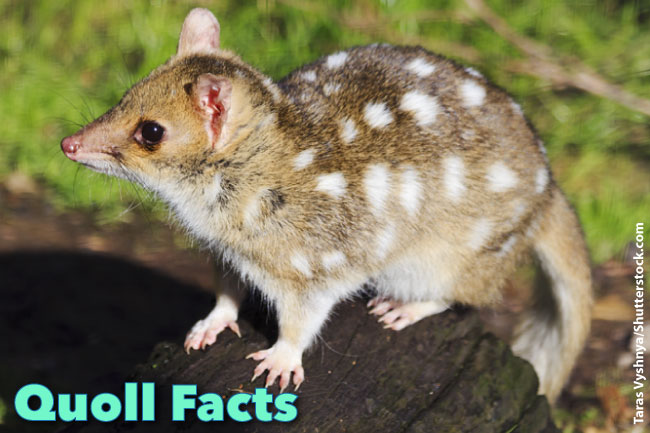
The Quoll is a carnivorous marsupial. It is easily recognised by its distinctive pale spots. The quoll is native to Australia and New Guinea. It is threatened by habitat loss and the spread of invasive species (in particular the Cane Toad). This page contains quoll facts for kids and adults, and is part of our Australian Animals series.
Read on to find out all about this sharp-toothed marsupial …
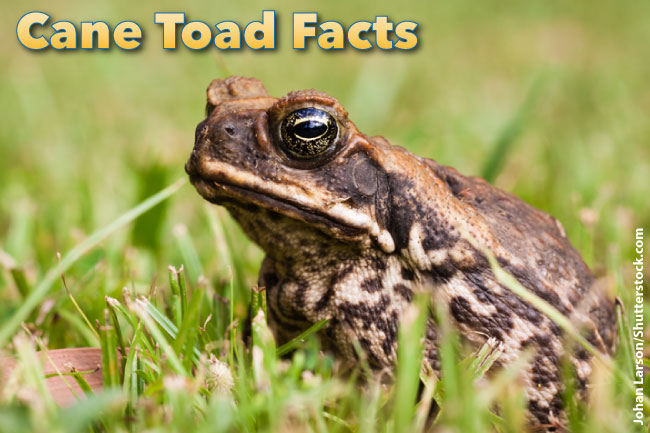
This page contains Cane Toad facts for kids and adults as is part of our Australian Animals series. This is one animal most Australians aren’t too fond of! Let’s find out why …
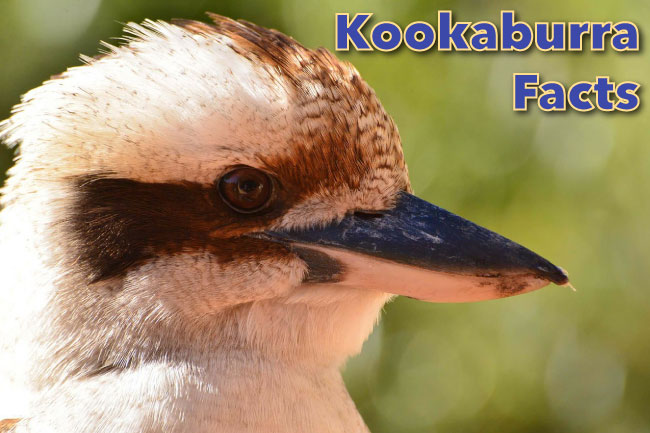
The Kookaburra is a member of the Tree Kingfisher family. It is famous for having a loud call that sounds like human laughter. The Kookaburra also features in a popular Australian children’s song. This article contains kookaburra facts for kids and adults, and is part of our Australian Animals series.
Don’t forget to listen to the Kookaburra’s famous laugh! You can hear it in a video further down the page.
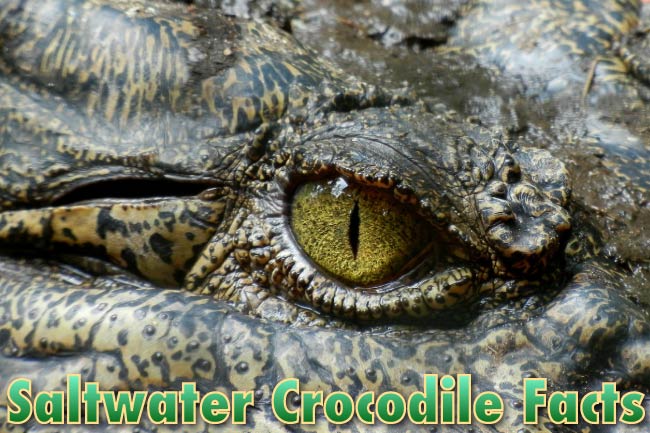
The saltwater crocodile is the world’s largest species of crocodile. These huge reptiles can grow over 6 metres long. Saltwater crocodiles are top of the food chain wherever they are found, and sometimes even attack humans! This page contains Saltwater Crocodile facts for kids, and is part of our Australian Animals series.
This page is full of amazing facts about animals with pictures & information for kids … and adults! Find out about some of the biggest, smallest and fastest animals in the world.
Discover the Amazon Rainforest with an exciting mix of story, pictures and animal facts. You choose which part of the rainforest you want to explore next. Learn about amazing animals at every turn. Once you have discovered all of the clues you can begin searching for the reclusive jaguar.
In this article we’ll answer the question what is science for kids. Once we’ve agreed on a definition of science, we’ll look at the different types (branches) of science.
We’ll then look at the ‘scientific method’. This is the way in which scientists go about their work, and how they make their amazing discoveries!
What is science? Let’s find out …
In the previous article we covered plants in the tropical rainforest. On this page, you’ll find a tropical rainforest plants list, with pictures and information on individual plant species.
This article is part of our Rainforest Series.

Subscribe to the Active Wild newsletter for fascinating articles, news, offers, reviews and more.
Sign up today and receive a FREE printable animal fact sheet with your welcome email!
Not an adult? Please ask your parent / guardian to sign up 🙂
By subscribing, you agree to receive email updates from us. You can unsubscribe at any time.

Subscribe to the Active Wild newsletter for fascinating articles, news, offers, reviews and more.
Sign up today and receive a FREE printable animal fact sheet with your welcome email!
Not an adult? Please ask your parent / guardian to sign up 🙂
By subscribing, you agree to receive email updates from us. You can unsubscribe at any time.